Get Full Government Meeting Transcripts, Videos, & Alerts Forever!
Get email alerts on the Environmental Education topic
No spam. Unsubscribe anytime.
Students release classroom-raised trout at Jensen Nature Pond
Summary
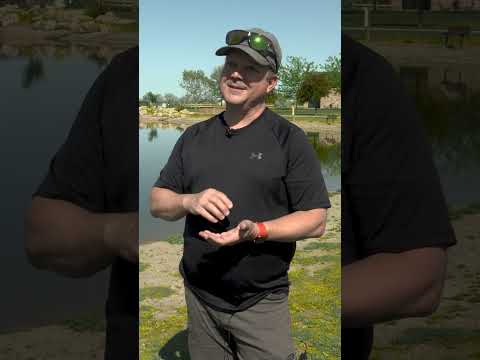
Students participating in a Trout in the Classroom program released trout raised from eggs provided by DWR and Trout Unlimited into Jensen Nature Pond in Syracuse in May, organizers said. The volunteer program runs from egg delivery in January through a May release and aims to teach life cycles and support conservation funding.
Students participating in a Trout in the Classroom program released trout raised from eggs provided by DWR and Trout Unlimited into Jensen Nature Pond in Syracuse in May, presenters said.
Organizers described a classroom hatchery sequence that begins with an egg delivery in January and continues through a spring release. “We do a program in our class called Trout in the Classroom, and it's through the DWR and Trout Unlimited. In January, they deliver us some fish eggs, and we usually get about a 50 fish eggs,” one presenter said.
The program uses a holding basket to let eggs develop tailbuds and swim when they are older, presenters said. “Get to put them into, like, a little special holding basket where they get to see them start to grow, see the tails come out. And then as they get a little older, they swim out of the basket. It gets lowered down, and then the trout continue to grow,” a presenter said.
On release day, students are bused to Jensen Nature Pond, where they carry trout in small cups and return the fish to the water. Organizers instruct students to keep a hand over the cup because the fish sometimes jump. “One of the keys that we need to make sure that they do is putting their hand over the top because those fish are excited and we've had them jump out a couple time,” a presenter said.
Presenters characterized the project as volunteer-run and as part of local conservation education. “This is volunteer for us, but we do this because through Trout Unlimited, we're focused on conservation in the local area. And so bringing up that next generation of angler helps bring in those licensing dollars that goes towards conservation,” a presenter said.
Teachers and volunteers said the activity exposes children to a different animal life cycle than classroom butterflies or chicks and gives them a direct conservation experience. “Such a fun program for the kids to see, like, a different life cycle. We see butterflies and chicks in the classroom, but the life cycle of a fish, it's fun for them to watch them grow and develop and actually see them put them into a pond, so when they do, if they come catch fish, they can think maybe that's my fish,” one presenter said.
No formal board action, funding decision, or citation to statute was made during the remarks; presenters described the program as volunteer-run and did not specify school or district sponsorship in the transcript.