Get Full Government Meeting Transcripts, Videos, & Alerts Forever!
Get email alerts on the Appeals And Equalization topic
No spam. Unsubscribe anytime.
Board of Equalization and Department explain abstracts, statistical tests and appeals steps
Summary
Board of Equalization members and department staff described the abstract review process, the statistical thresholds the State Board enforces (median, COD, PRD), and how county assessors and commissioners interact in appeals and compliance work plans.
Jane Mokler, chair of the State Board of Equalization, and Vice Chair Marty Hartzog briefed the committee on the board's abstract review of county valuations and enforcement tools. Mokler described the abstract (county value) review as a multistep check that examines whether counties meet the State Board's statistical rules and asks assessors to explain outliers.
"We look at all of those numbers. We ask them if they're out of compliance, why are they out of compliance?" Mokler said, explaining that the board reviews median sales ratios, the coefficient of dispersion and the price-related differential and will place counties on a work plan if their measures fall outside board thresholds.
Why it matters: The board's abstract process is the principal statewide quality-control step before county values are certified; deviations trigger work plans, corrective actions and, in extreme cases, formal equalization procedures.
Mokler and Hartzog described corrective steps the board uses: education and work plans for assessors, requests for additional documentation, and, as a last resort, formal board orders or a direct equalization process. They said the abstracts are performed for four property groupings (residential improved, residential vacant, commercial improved and commercial vacant) and that their statistician looks at stratification and possible sales-chasing (where sold properties are treated differently from unsold ones).
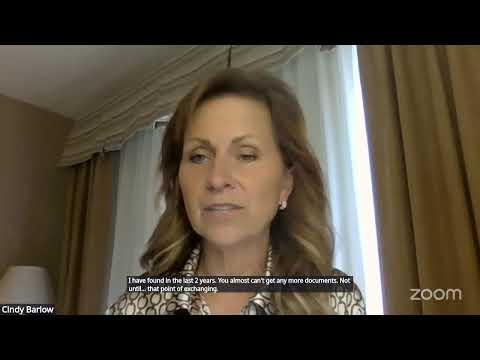
Cindy Barlow, a former assessor who now helps taxpayers in appeals, warned the committee that many taxpayers lack knowledge to request the right documents and that county-level practices vary: "If you don't know to ask for the SOCs, we won't get the information," she said, and she recommended clearer statutory direction and better document sharing at the assessor level.
Mokler noted abstracts and hearings are run publicly by Zoom and urged committee members to observe their county's abstract hearing if they wanted granular detail. The board said it tries collaborative remedies first but will require corrective plans where analytics show persistent noncompliance.
Ending: The Board of Equalization asked the committee to consider any statutory clarifications the panel wants for appeals and records access; the board and the department offered follow-up materials and to make abstract hearings available for member observation.