Get Full Government Meeting Transcripts, Videos, & Alerts Forever!
Get email alerts on the Korematsu Day topic
No spam. Unsubscribe anytime.
Supporters urge Massachusetts to name Jan. 30 'Fred Korematsu Day of Civil Liberties and the Constitution'
Summary
Advocates, Asian American organizations and former legislators told a joint committee that designating Jan. 30 to honor Fred Korematsu would promote civic education about civil liberties and provide a permanent platform to teach about wartime injustices and contemporary threats to rights.
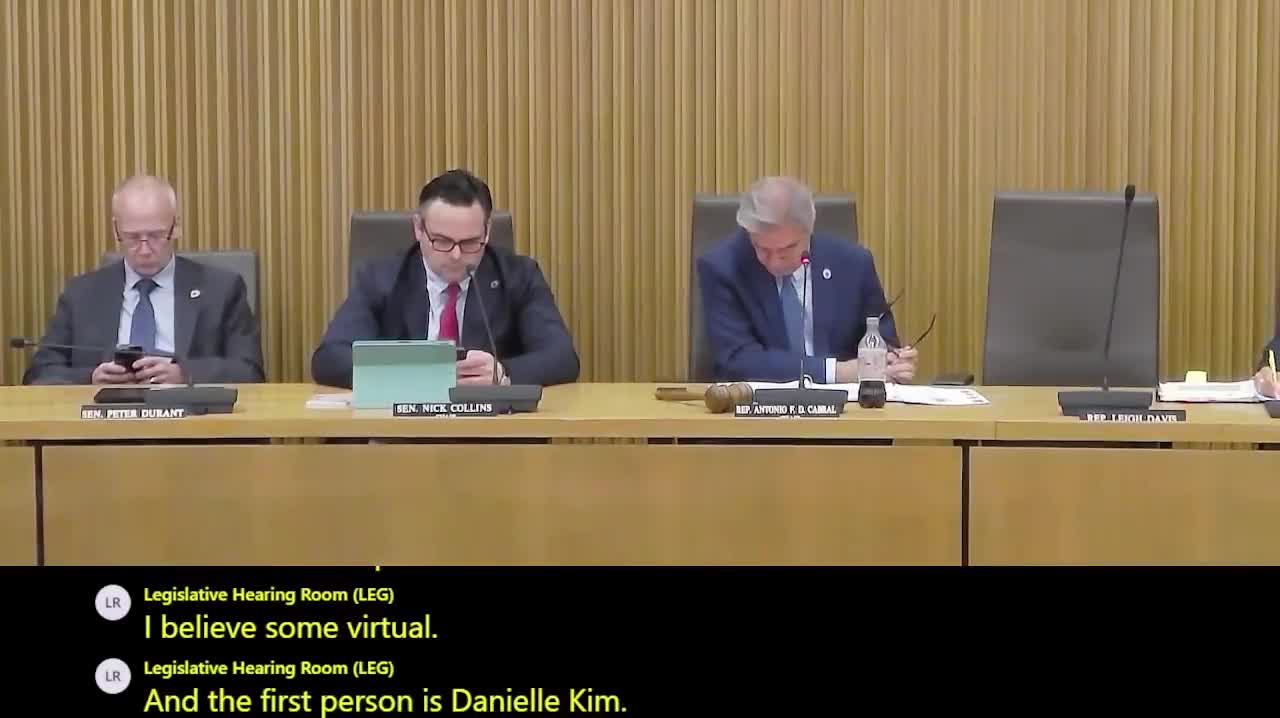
At the joint committee hearing, a broad coalition of civil-rights groups, Asian American nonprofits, educators and descendants of Fred Korematsu testified in favor of H.3427 / S.2132 to designate January 30 as Fred Korematsu Day of Civil Liberties and the Constitution in Massachusetts.
Witnesses described Korematsu's legal challenge to the World War II imprisonment of Japanese Americans, his later successful effort to vacate his conviction, and his long record of civic engagement. “Fred Korematsu is a national hero and a civil rights pioneer,” Danielle Kim, executive director of the Asian Community Fund at the Boston Foundation, told the committee. The Fred Korematsu Institute, educators and civil-rights lawyers asked the committee to create a recurring observance to center civic education about due process and executive power.
Speakers framed the bill as timely. Representative Ekeras Veynerhoven (testimony filed) and others noted parallels between Korematsu's challenge and contemporary debates over immigration enforcement, executive authority and detention. Jeffrey See, chair of the Korematsu Institute board, told the committee the story is “inherently an American story” that offers lessons for civic engagement. Dr. Karen Korematsu, Fred Korematsu's daughter, described the institute’s classroom curriculum for teachers and said resources are already available for K–12 education.
Supporters highlighted outreach plans: two traveling Korematsu exhibits and school curricula are available; advocates proposed coordination with the Massachusetts education department to circulate materials on civil liberties, due process and the history of wartime incarceration. Several witnesses urged the committee to report the bill favorably so schools, libraries and civic organizations can plan annual activities on the anniversary.
No opposition testimony was presented in committee. Senators and representatives asked clarifying questions about implementation and the availability of curricula and exhibits. The committee did not take a vote at the hearing.
What happens next: If the committee reports H.3427 / S.2132 favorably, either chamber could take the bill to the floor; the designation would require enactment into law to become an official annual observance in Massachusetts.