Get Full Government Meeting Transcripts, Videos, & Alerts Forever!
Get email alerts on the Indigenous Peoples Day topic
No spam. Unsubscribe anytime.
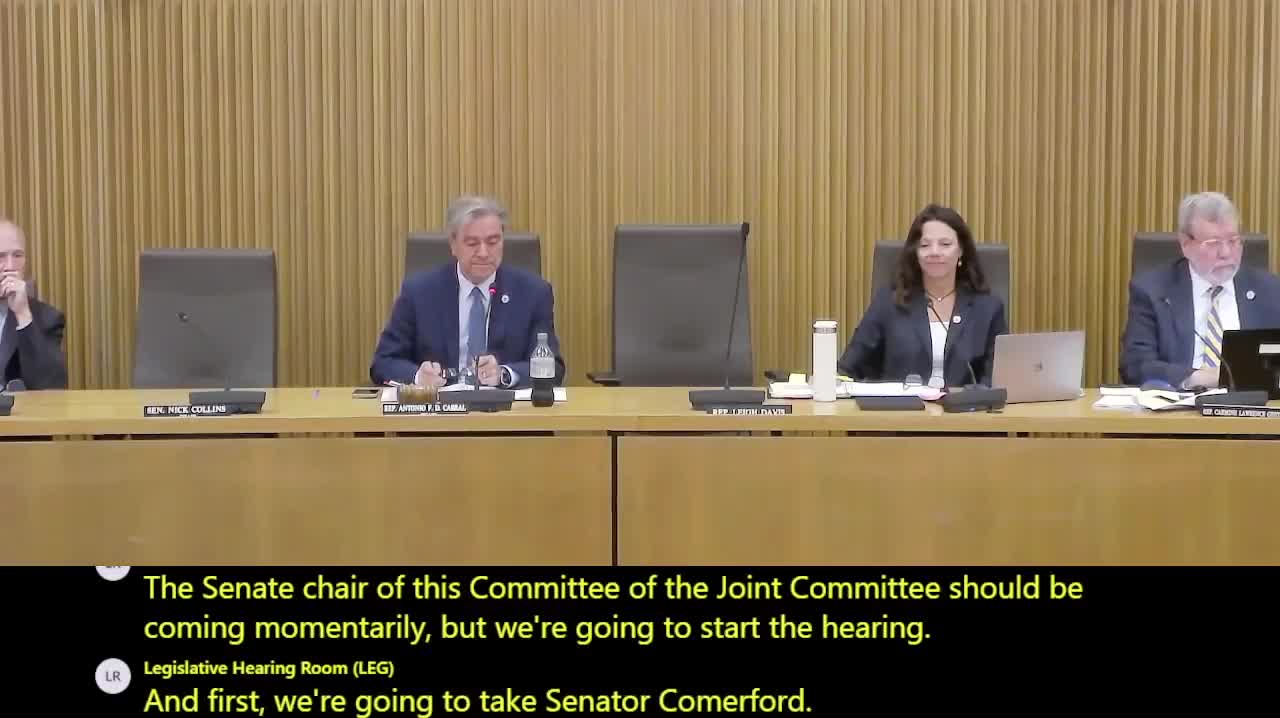
Mass. hearing again pits Indigenous Peoples' Day against Columbus Day as lawmakers, advocates clash
Summary
At a joint legislative hearing, Native leaders, Italian American groups and legislators debated bills to replace Columbus Day with Indigenous Peoples' Day, create an Indigenous holiday in August, or preserve Columbus Day; no formal vote was taken.
Chair and members of the Joint Committee on State Administration and Regulatory Oversight heard hours of testimony on competing proposals to mark the second Monday in October as Indigenous Peoples' Day, to keep Columbus Day while creating a separate Indigenous observance, or to establish an Indigenous observance on another date.
Advocates for Indigenous Peoples' Day said replacing Columbus Day would correct a historical narrative and recognize living Native nations in Massachusetts. “Christopher Columbus did not discover the Americas,” Senator Jo Comerford told the committee, adding that commemorating Columbus has “allowed generations to credit a European man with discovering land already teeming with societies.” She urged the legislature to pass S.2113 and its House counterparts.
Supporters argued replacing the holiday is restorative and educational. Jolley Preit, president of the North American Indian Center of Boston, urged the committee to “reject a colonized mindset and indigenous erasure” and said local Native communities have long requested a holiday that centers indigenous histories and presence. Lakota leader Matoyan Monroe said Indigenous Peoples' Day is “not a matter of interpretation” and criticized alternatives that would preserve Columbus Day.
Opponents included Italian American speakers and some Italian American organizations who framed Columbus Day as a celebration of immigrant contribution and community identity. Representative (filed testimony) Alan Turco and Representative John Marcy urged the committee to consider alternatives that preserve Italian American heritage — Turco proposed H.3419, designating August 9 (the U.N. date) as Indigenous Peoples' Day while keeping Columbus Day in October. “Let's recognize the contributions of Native Americans. Let's create a holiday in the month of August,” Turco said, but he and other opponents argued removing Columbus Day would feel like erasure to many Italian Americans.
Members of Italian Americans for Indigenous Peoples' Day testified they do not see the proposals as mutually exclusive and urged lawmakers to adopt Indigenous Peoples' Day on the October date while continuing Italian American Heritage Month in October. Heather Lavelle, a founder of that group, called a switch “a restorative act for all” and said many Italian Americans want to model “love and empathy.”
Committee chair and witnesses clarified legal limits and process. Rep. Cabral said changes to the state flag, motto or other statutory designations require legislation; a governor cannot unilaterally rewrite the flag or state holidays. Senator Collins noted Massachusetts law already includes a different commemorative proclamation — she referenced Mass. Gen. Laws ch. 6 §12 (which has language about a Native American Day proclamation) as part of the broader statutory landscape lawmakers may weigh.
The hearing included numerous municipal and community resolutions in the record: more than two dozen Massachusetts cities and towns already observe Indigenous Peoples' Day in place of Columbus Day, supporters said, and neighboring states have adopted the change. Opponents pointed to the painful history of some Italian Americans and warned against what they described as “cancel culture.”
No committee motion or formal vote on the competing bills occurred during the hearing. Committee members asked detailed procedural and policy questions and heard requests from advocates on both sides to report bills favorably. The committee recorded testimony as the official public record and invited written submissions for the record.
What happens next: The committee will decide whether to report any of the bills out for a floor vote in either chamber. If reported favorably, each bill would proceed through the standard legislative process and require passage in both chambers and the governor's signature to take effect.