Get Full Government Meeting Transcripts, Videos, & Alerts Forever!
Get email alerts on the Family Law Abusive Litigation topic
No spam. Unsubscribe anytime.
Survivors, advocates ask Judiciary to curb ‘abusive litigation’ used as a form of post‑separation coercive control
Summary
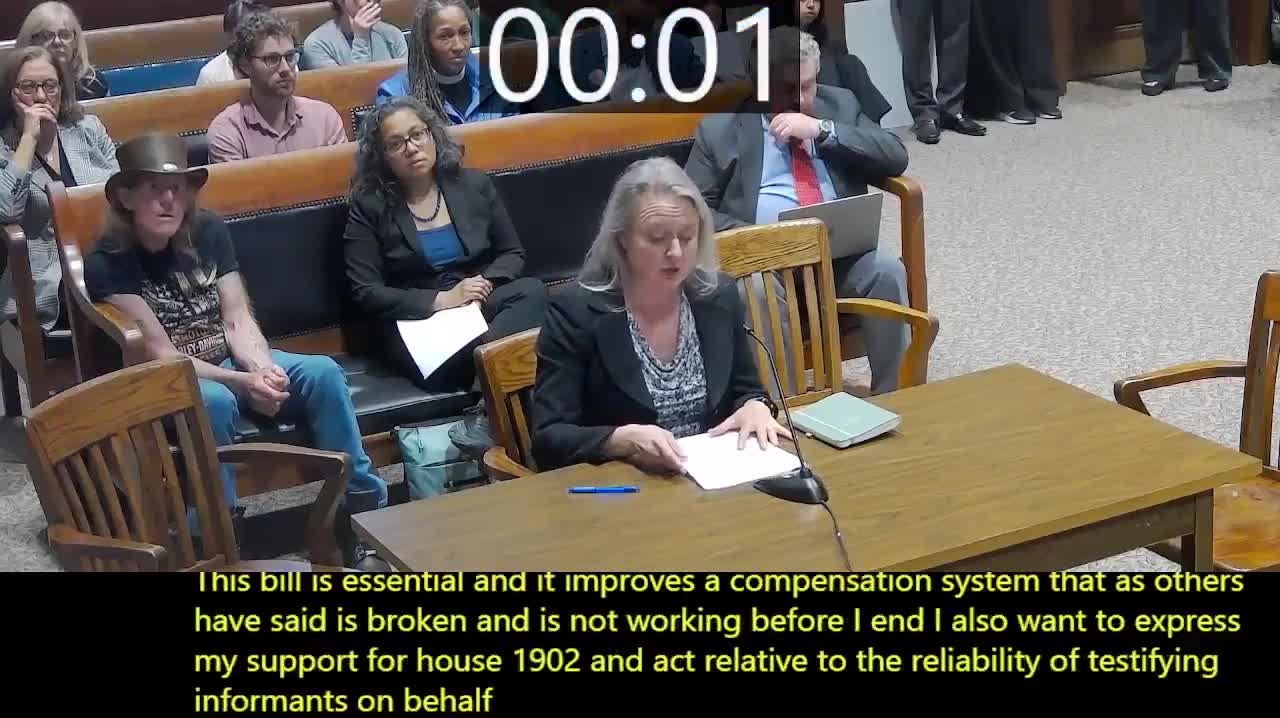
Survivors and advocates told the Joint Judiciary committee that some domestic abusers weaponize family court — filing dozens of repetitive motions, false allegations and subpoenas — and urged legislation to let judges limit vexatious litigation and sanction abusers.
Survivors of domestic abuse, clinicians, court advocates and legal experts described “abusive litigation” to the Joint Committee on the Judiciary as an insidious form of post‑separation coercive control: repeated filings, false claims and strategic delays used by an abuser to intimidate, exhaust and punish a former partner through the court system.
Witnesses — including people who described years or even decades of repeated motions and hearings — urged the Legislature to pass H 15 94 / S 12 05. That legislation would let judges identify patterns of litigation used to harass and would create remedies including filing‑fee waivers for survivors, sanctions for abusive filings and limits on repetitious, meritless motions. Testifiers argued the bill would not close access to courts but would give judges explicit statutory authority and standard procedures to screen out harassment and protect survivors and children.
Victims described financial ruin from repeated legal fees, lost work time, forced relocations and prolonged emotional harm. Domestic‑violence providers and legal clinics described cases in which abusers used court-funded or private professionals (GALs, parenting coordinators, reunification therapists) to produce material that prolonged contact and reforged narratives that favored the abuser. Legal advocates added the bill would complement the 2024 coercive-control law by giving judicial remedies for litigation as a continuing tool of control.
Family‑court judges, attorneys and child‑welfare specialists asked the committee to clarify standards, evidentiary tools and appellate review to avoid overreach; lawyers and victims’ advocates proposed training and implementation guidance. Sponsors said the bill could be paired with court training to help judges distinguish high‑conflict litigation from litigation that is abusive and intended to coerce.
No committee action was taken at the hearing; survivors and advocates asked for an expedited favorable report and training for court staff to implement any new authority.