Get Full Government Meeting Transcripts, Videos, & Alerts Forever!
Get email alerts on the Record Sealing Clean Slate topic
No spam. Unsubscribe anytime.
Dozens tell Judiciary committee: automatic ‘clean slate’ sealing would open jobs, housing for hundreds of thousands
Summary
Advocates, employers, legal-aid groups and people directly affected urged lawmakers to pass automatic record-sealing (Clean Slate) measures, saying the current petition-based process is slow, confusing and disproportionately affects communities of color and those seeking work and housing.
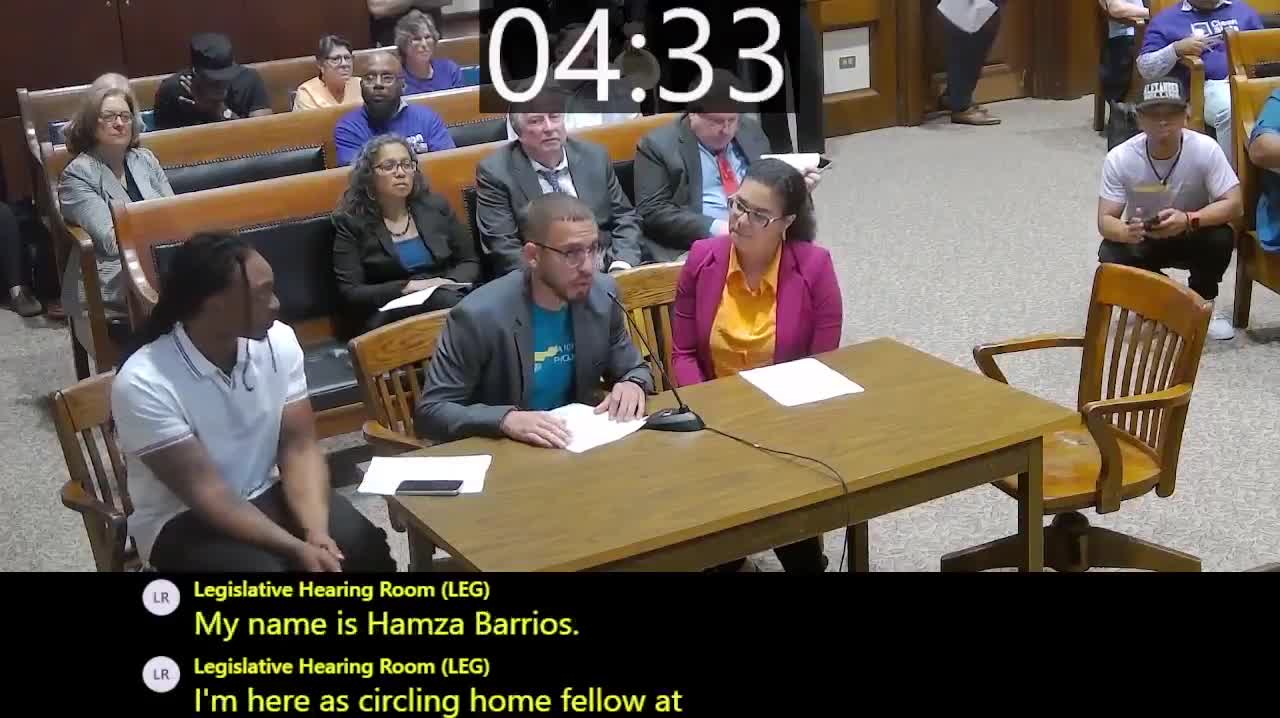
Dozens of witnesses pressed the Joint Committee on the Judiciary to enact automatic sealing of eligible criminal records, commonly called “clean slate.” Supporters — legal aid groups, business leaders, workforce advocates and people directly harmed by records — said automation would remove a confusing, costly bottleneck that prevents people from obtaining employment, housing and education.
Testimony included personal accounts from people who only discovered eligibility to seal after being denied a job or being turned down for housing. Legal-aid lawyers and court advocates described an administratively cumbersome process that requires filing petitions in the courts, paying fees and waiting months; they said many eligible people never begin the process. Speakers cited experience from other states (New York, Pennsylvania, Michigan, Utah and others) where automatic sealing increased sealing rates dramatically.
Business representatives including the Responsible Business Initiative for Justice and several large employers told the committee that automatic sealing would expand the available labor pool and reduce turnover, helping with statewide labor shortages. Economic data presented by advocates showed improved employment and earnings after sealing in other jurisdictions.
Community organizations and lawmakers also emphasized racial-equity stakes: witnesses reported that people of color represent a disproportionate share of those with records, and that barriers to sealing reproduce long-term economic harm and recidivism risks. Legal advocates asked the committee to combine automatic sealing with presumption-of-innocence language so non-convictions are not treated as if they were convictions on job applications.
Committee members asked about implementation details including the data sources needed (corrections, probation, jails and registries), tech integration and costs; witnesses said other states and national nonprofits (e.g., Clean Slate Initiative, Code for America) could provide implementation help and that automation would save administrative time and reduce litigation and social costs over the long term.
No vote was recorded; witnesses urged rapid movement to a favorable report so the Legislature can adopt an automatic system and technical implementation plan.