Get Full Government Meeting Transcripts, Videos, & Alerts Forever!
Get email alerts on the Criminal Justice Parole Life Without Parole topic
No spam. Unsubscribe anytime.
Joint Judiciary hears years of testimony urging end to life-without-parole and a path to parole review
Summary
Hundreds of witnesses — incarcerated people, family members, advocates and formerly incarcerated speakers — told the Joint Committee on the Judiciary the state should allow parole review after long terms, arguing life-without-parole sentences deny rehabilitation and impose heavy costs on families and the state.
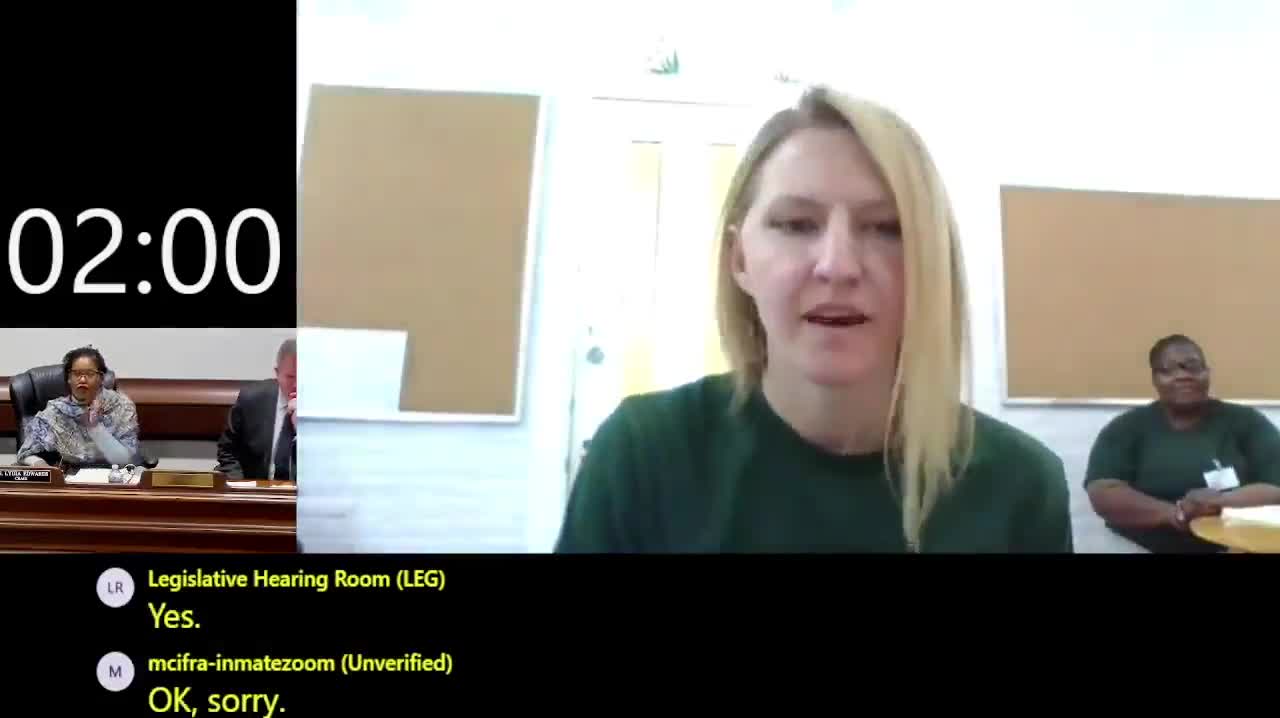
Speakers at the Joint Committee on the Judiciary hearing gave hours of testimony urging the Legislature to pass bills that would let people serving life-without-parole apply for parole after serving a long minimum term. Supporters said allowing parole review after 25 years would recognize rehabilitation, reduce costs and correct racial disparities in sentencing.
Supporters made the case in many forms: people currently serving life sentences, family members and community advocates described decades-long incarceration, educational achievements while imprisoned and the ripple effects on families and neighborhoods. Several formerly incarcerated speakers described education and mentorship work in prison and asked for a chance to demonstrate change at parole. Families and clergy who had lost loved ones to violence also said the bills should not strip victims’ voices but allow individualized review and restorative options.
The bills discussed included the Senate and House measures to reduce mass incarceration and to create parole-review pathways for people serving life terms. Backers pointed to national and state-level data showing aging prison populations are costly to house and less likely to reoffend, and to the disproportionate share of lifers who are Black or Latino. Witnesses who had been wrongfully convicted or who worked with exonerees urged parallel reforms to compensation for wrongful conviction.
Committee members asked about public safety protections and whether parole review would endanger communities. Supporters repeatedly said the bills do not guarantee release but create an opportunity for individualized review by the parole board, which can deny release if risks remain. Advocates also emphasized rehabilitative programming inside prisons and suggested parole review is consistent with existing legal precedent in several SJC decisions that have limited automatic life terms for certain groups.
The hearing made clear strong, organized support from currently incarcerated people and from clergy, legal aid organizations and advocacy coalitions. Opposing testimony (from some family-members and others) stressed the emotional toll on victims’ families and urged caution. Committee members did not take votes during the hearing; the matter was left for later legislative scheduling.
Supporters urged the committee to report the bills favorably so the Legislature can decide whether and how to allow parole review after long sentences.