Get Full Government Meeting Transcripts, Videos, & Alerts Forever!
Get email alerts on the Budget topic
No spam. Unsubscribe anytime.
Tucson adopts FY2026 budget and compensation plan, keeps Kidco funding and boosts employee pay
Summary
The Mayor and Council adopted a balanced fiscal 2026 budget that preserves roughly $2 million for Kidco, invests $23.6 million in staff compensation measures and funds public safety equipment and violence‑prevention programs; the vote was unanimous.
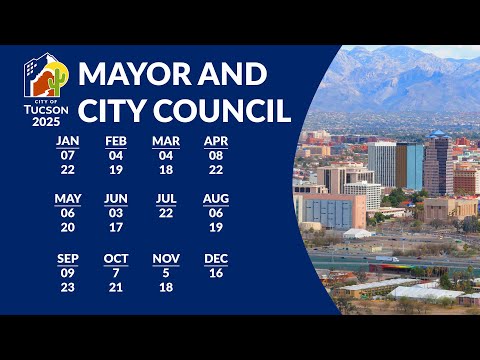
The Tucson Mayor and Council on June 3 adopted the city’s fiscal year 2026 budget and associated compensation plan, approving measures the city says balance services and employee pay despite constrained revenues.
The adopted package includes an increase of $23.6 million for employee compensation measures, continued funding of nearly $2 million for the city’s Kidco after‑school program, investments in emergency response equipment and operations and expanded funding for violence prevention efforts. Council approved the budget and compensation ordinance by recorded votes during a June 3 special meeting.
City Manager Tim Tamir told the council the adopted budget addresses “critical needs” while acknowledging economic uncertainty. Highlights Tim Tamir and staff outlined include: a $23.6 million top‑line investment in compensation (about double last year’s amount), a citywide annual pay progression, October market adjustments, a three‑year market pay commitment for sworn police and fire personnel, reinstated skill‑based pay for Tucson Water utility technicians, and broader re‑implementation of performance reviews across the workforce.
Tim Tamir said the city has started “in‑range pay placement” work and will conduct a second phase after employees update work and education records in the city’s Workday system. Staff reported a recent snapshot showing roughly 3,000 of the city’s 4,900 employees had completed performance reviews and 4,400 had started or completed them.
Mayor Regina Romero and other councilmembers highlighted programmatic investments in public safety and youth services. The budget preserves nearly $2,000,000 for the Kidco after‑school program; it also funds “day trucks” for the fire department to improve response time, expands 911/311 call center staffing, and continues funding for the VIVA violence‑prevention program and “thrive‑zone” efforts. A councilmember noted the budget includes more than $16 million in capital investments for police, fire and other departments.
The compensation plan includes a mix of across‑the‑board progression and market adjustments. Staff said the market allocations will be deployed in October if the budget is adopted, with the possibility of further in‑year adjustments if additional revenues appear. The council also agreed to a technical amendment for magistrates’ pay to ensure magistrates receive the intended increases when reappointments trigger pay progression; the magistrates’ rates were recorded in the meeting materials and updated by staff (effective Aug. 16, 2025): city magistrate hourly $76.813053 (annual $159,975.00 adjusted), presiding magistrate hourly $84.494358, pro tem magistrate hourly $61.45.
Council members praised staff for reaching a balanced package after earlier deficit estimates. The council also scheduled adoption of related financial policies and a reserve policy at a future meeting and said final primary and secondary property tax levies will be fixed at the regular meeting on June 17.
Votes and formal action: The council adopted the annual budget by resolution (Resolution No. 23934) and adopted the compensation plan ordinance (Ordinance No. 12173) on June 3; both measures passed by recorded votes of 7‑0.
Why it matters: The budget determines city services, staffing and capital investments for the coming year. The compensation investments aim to address recruitment and retention by adjusting pay ranges and re‑establishing market adjustments. Maintaining Kidco preserves an after‑school service that city officials said serves more than 2,000 children and supports working families.
What’s next: Staff will implement the compensation adjustments in the coming months as scheduled, continue work on the reserve policy and return to council with implementation details for capital projects and pay‑placement phases.