Get Full Government Meeting Transcripts, Videos, & Alerts Forever!
Get email alerts on the Labor Unions topic
No spam. Unsubscribe anytime.
Tucson council directs city attorney to seek legal alternatives after Arizona high court limits employer-paid union release time
Summary
After the Arizona Supreme Court's Gilmore decision, Tucson officials voted to ask the city attorney to pursue alternatives — including employee-donated leave banks — while pausing employer-paid release time.
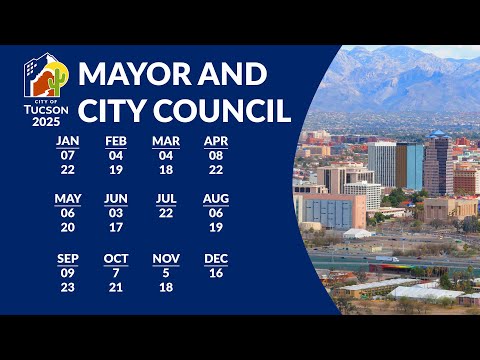
At its June 3 meeting the Tucson Mayor and Council directed the city attorney to continue working with peer cities and union representatives to identify legally viable ways for city employees to perform union work during paid hours after the Arizona Supreme Court’s decision in Gilmore v. Gallego.
The move follows a presentation from the city attorney explaining the court’s findings and the legal limits they impose on employer‑paid release time — paid hours during which employees perform union duties instead of their regular job. The council motion, offered by Councilmember Cunningham, passed on a voice vote.
The city attorney told the council that Gilmore found the employer funding of release time violated Arizona’s gift clause and that earlier decisions that had upheld some release‑time arrangements were distinguishable because the funds at issue were foregone wages paid by employees rather than direct employer expenditures. The attorney summarized the options staff and municipal peers have identified and said paid release time, as previously structured, appears constitutionally vulnerable.
Councilmembers said they want to preserve robust union representation while complying with the court. In a motion Councilmember Cunningham asked the city attorney to keep consulting with attorneys in Phoenix and other Arizona cities and to identify “union related activities that could qualify for paid release time to facilitate viable alternative models such as employee donated leave,” language the council approved. The motion did not list a second by name; the council recorded an affirmative voice vote.
City staff described one model already used by the Tucson Police Officers Association: a voluntary donated‑leave bank. Under that arrangement, employees donate hours into a shared pool; authorized union representatives may draw from the pool and be paid while performing union duties. The city attorney said donated leave is a viable model under current Arizona Supreme Court precedent because it does not constitute an employer expenditure.
The city attorney also described the limits of other potential fixes. He told the council that trying to cure gift‑clause concerns by funding release time with foregone employee compensation would likely raise First Amendment problems under Janus v. AFSCME (the U.S. Supreme Court case addressing compelled support for unions). The attorney recommended continuing to coordinate with other cities and, where possible, pursue financial analyses that might identify quantifiable public considerations tied to specific duties.
Councilmembers expressed differing views on timing and approach. Several urged staff to “slow play” any change and to work with union partners to preserve representation while avoiding litigation. Others urged exploratory legal and financial work — the city attorney said Tucson had been invited to join a Phoenix‑led financial analysis meant to identify defensible, quantifiable consideration that could support some paid activities.
What happens next: The council’s motion directs the city attorney to keep consulting with peer city attorneys and the unions and to report back on viable models such as donated leave. In public remarks the attorney said the city’s approach since the Gilmore decision has been to suspend employer payment of release time and to continue unpaid release time and other legally defensible arrangements while the city and unions meet and confer.
Why it matters: The issue affects how union representatives can represent staff on grievances, training and labor‑management meetings, disciplinary proceedings, and other matters the council and staff said have public benefit for workplace functioning. The council emphasized preserving union relationships while complying with the state constitution. Ending employer‑funded release time without an agreed alternative could change how labor representatives interact with city departments and employees.
Ending note: Councilmembers asked the city attorney to continue coordinating with Phoenix and other cities and to pursue both legal and financial avenues that might preserve some paid time for certain union activities without running afoul of the court’s gift‑clause analysis.