Get Full Government Meeting Transcripts, Videos, & Alerts Forever!
Get email alerts on the Appointments Process topic
No spam. Unsubscribe anytime.
Committee outlines questions and public procedure for Common Council appointment process
Summary
Staff described a three-part application and questioning process for filling a Common Council vacancy in District 8, and the committee approved proceeding as directed; the committee discussed timing, publication of applicant responses and that votes on appointments must be public under state law.
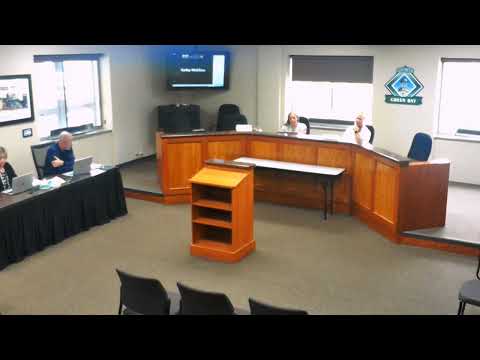
City staff on June 3 presented a proposed process for handling applications for the Common Council vacancy in District 8 and the Personnel Committee approved proceeding as directed.
Staff described three categories of questions for applicants: (a) factual confirmations the clerk would request after the application deadline (for example, conflicts of interest and scheduling availability); (b) suggested questions to help applicants prepare their public presentation (for example, why they are interested in District 8 and what they view as the district’s biggest challenges); and (c) a non-public set of questions to be asked directly by alderpersons during the council meeting. Staff said the clerk’s office would confirm receipt and eligibility and would send the first two categories to applicants after the Friday deadline so that answers could be included in the council packet.
Committee members asked whether applicants could receive the questions before the deadline and whether follow-up answers would be provided to alders. Staff said the deadline was set for Friday and that answers would be distributed in the published packet—likely a supplement on Monday—so alderpersons would have at least a day to review responses before presentations. Staff also said the committee could modify the public-questioning format, including limits on presentation length or additional follow-ups during the meeting, depending on the final number of applicants.
Members discussed the public nature of voting on appointments. Staff referenced Wisconsin state law and formal opinions in explaining that a vote on the appointment cannot be secret and that the vote must be public. Several members asked for clarity on how the council would narrow multiple candidates and how the committee would handle scenarios where no candidate receives a majority; staff said the process could be adjusted and that ordinance changes or special elections were options if the council chooses not to appoint anyone.
The committee voted unanimously to proceed as directed and to use the proposed questions and process as the starting framework for District 8 appointment procedures.