Get Full Government Meeting Transcripts, Videos, & Alerts Forever!
Get email alerts on the Transportation Safety topic
No spam. Unsubscribe anytime.
Miami Lakes transportation staff asks disability advisory board to help map safety concerns for Vision Zero plan
Summary
City transportation staff briefed the Special Needs Advisory Board on a townwide transportation master plan and Vision Zero initiative and asked board members to map pedestrian, wheelchair‑access and crossing safety concerns using an online tool.
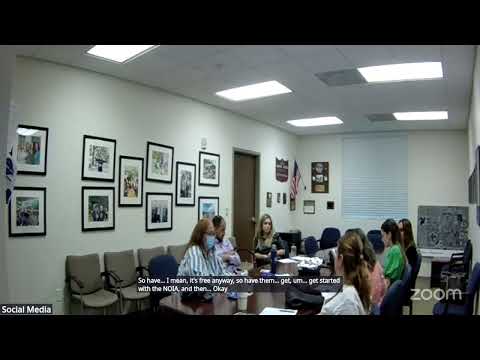
City transportation staff asked the Miami Lakes Special Needs Advisory Board on June 4 to help identify local pedestrian and mobility hazards as part of a new transportation master plan and a Vision Zero safety initiative.
The outreach seeks input from people with disabilities about sidewalks, ramps, crossings and intersections that feel unsafe or are designed incorrectly, staff said. Susana, a transportation department staff member, told the board the project is funded with a federal grant and is meant to shift priorities from traffic flow to safety-first design.
"Vision Zero is basically changing the way we look at our road system, from focusing on traffic flow to focusing on safety first," Susana said. She said the town will provide a web map with a QR code so residents can drop pins and write short notes about hazards they see or feel.
The presentation described the work as two linked efforts: (1) a transportation master plan that will inventory and prioritize sidewalks, bicycle facilities, transit and freight conditions across Miami Lakes, and (2) a Vision Zero program intended to reduce injuries and fatalities toward zero. Susana said the county and state have conducted similar programs and that Miami Lakes is tailoring efforts to local needs.
Board members asked whether the effort covers sidewalks and streets and staff confirmed it covers all modes, including sidewalks, bicycle facilities, intersections, signal timing and transit accommodations. Staff emphasized they want both objective hazards — for example, ramps that direct wheelchair users toward traffic — and subjective concerns, such as places that “feel unsafe,” to help shape audits and future capital requests.
Staff said the plan will produce actionable recommendations for immediate fixes and longer-term design projects that could be included in grant and budget requests. They also offered to attend community events and board outreach activities to solicit more input.
The board did not take a formal vote on Vision Zero during the meeting. Staff said they will return with updates and encouraged members to use the online map and to invite neighbors and groups to submit notes.
The outreach marks the start of a multi‑year planning process intended to inform the town’s project requests and budgets over the next five to ten years, staff said.