Get Full Government Meeting Transcripts, Videos, & Alerts Forever!
Get email alerts on the Charter Revision Motions topic
No spam. Unsubscribe anytime.
Commission authorizes draft revisions to millage cap, audits, property tax exemptions and executive branch
Summary
The Stonebridge Charter Commission voted to author draft revisions for multiple charter sections, including the millage rate cap, audit procedures, property tax exemptions and the city manager/executive branch.
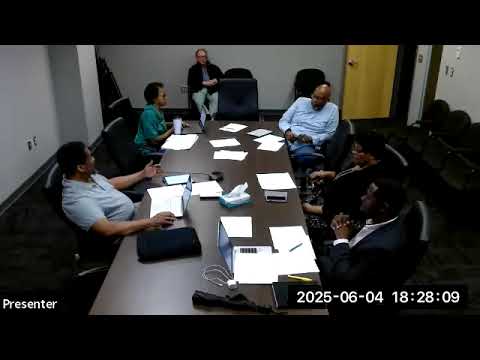
The Stonebridge Charter Commission voted on June 4 to authorize staff to draft proposed charter revisions for several sections of the draft charter, including a potential change to the city’s millage rate cap, audit procedures, multiple property tax exemptions, and the executive branch sections governing the city manager.
The commission approved motions to prepare revision drafts for Article 1 (creation and corporate powers / millage rate cap), Article 5 (fiscal and audit provisions, including section 5.07 on audits), property tax exemption provisions (sections 5.08 and 5.12), and Article 3 (executive branch, sections 3.02–3.06).
On the record, a motion to authorize a revision draft for Article 1 (section 1.03 subsections) was moved by Mr. Burby and seconded by Mr. Shumley; the commission recorded the vote as in favor and the motion passed. The motion to authorize drafting revisions for Article 5 audit language — to clarify remedies if audits are not completed — was also moved and seconded and passed by the commission. Commissioners discussed the property tax items with specific reference to re‑implementing a freeze exemption (to avoid opting in to state House Bill 581) and to clarify homestead exemptions, then moved and approved a drafting motion for the applicable sections.
The commission also voted to author a revision for Article 3 (the executive branch) covering city manager language and related subsections; that motion passed by a recorded 4–1 vote. Commissioners said that vote was to authorize staff drafting, not to adopt any final charter language.
Why it matters: those authorized drafts set the agenda for the commission’s next review cycle and will determine whether changes such as a new referendum threshold for millage increases or reenactment of a tax “freeze” exemption will be proposed to voters. As with other drafting decisions, the commission emphasized that specific language and legal review will follow prior to any public hearing or final vote.
Next steps: staff will prepare the draft language on the specified sections and circulate it to the commission for revision; future meetings will include formal review and, if approved for placement on the charter, will require the supermajority vote threshold the commission discussed.