Get Full Government Meeting Transcripts, Videos, & Alerts Forever!
Get email alerts on the City Manager Oversight topic
No spam. Unsubscribe anytime.
Charter commissioners clarify council oversight, add 24‑hour notification for direct staff contact
Summary
The Stonebridge Charter Commission debated and clarified limits on city council oversight of administration, agreed language to prevent council members from bypassing the city manager, and proposed a 24‑hour written notification rule when council members contact city employees.
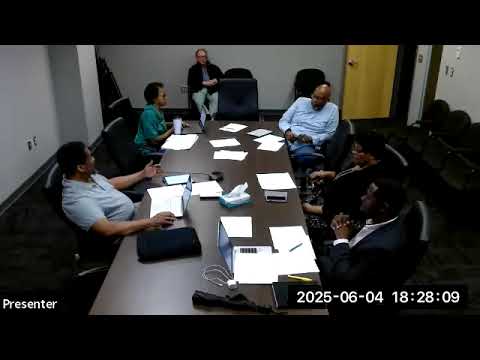
Commissioners at the Stonebridge Charter Commission meeting on June 4 debated how to draw the line between legitimate oversight and improper interference with city administration and agreed on two clarifications: council members must channel directives through the city manager, and any direct contact with subordinate employees must be copied to the city manager in writing within 24 hours.
The issue arrived during discussion of Article 3 (executive branch) and related sections. Joel Thibodeaux, a commission member, summarized the council’s role and the commission’s concern about council members bypassing the city manager: “The mayor, mayor pro tem, and city council shall not give directives to any city officers or employees other than the city manager and or officers appointed by the city council regarding any matters including, but not limited to, constituents complaints.”
Why it matters: commissioners said the rule protects the chain of command while preserving the council’s oversight role. Kirby Clemons, the city attorney, and other commissioners emphasized that the charter must prevent council members from issuing orders to department staff while allowing them to raise constituent complaints. Clemons recommended specific textual guards and encouraged drafting language used in other city charters to prevent accidental micromanagement.
Most speakers supported adding an explicit, short timeframe for follow‑up after any direct contact with a subordinate employee so the city manager is aware. Lashonda Walker urged a prompt written follow‑up, saying that without a written copy “Jim [the city manager] will be sitting here freaking out.” Commissioners agreed that written notification should arrive within a short period; the group settled on a 24‑hour window for transmitting the substance of any verbal or direct communication to the city manager so the manager can respond and staff have record of the contact.
The commission also discussed language to avoid unintentionally narrowing the council’s oversight to budget items. Several members worried that placing budget administration language in the same paragraph that establishes oversight could be read as limiting oversight to financial matters. As a compromise, commissioners directed staff to add qualifying language — for example, “including but not limited to” before the budget example — so that oversight is not construed to be strictly financial.
On judicial independence and municipal court contacts, commissioners agreed the municipal judge’s adjudicatory functions must remain independent. Thibodeaux said the commission should make clear that council oversight of judges is limited to budgetary and administrative matters and does not extend to judicial decision‑making: “I would prefer to have that little bulwark there just to make it clear that the oversight as to the judicial branch extend only to budgetary and nonjudicial function.”
Discussion vs. formal direction: the commission did not adopt final charter language at this meeting. They agreed to draft revisions that will: (1) state clearly that council members may not give orders to employees who report to the city manager; (2) require that any council contact with subordinate employees be copied to the city manager in writing within 24 hours; and (3) add language to avoid limiting oversight to budget reporting alone.
Next steps: staff were asked to draft the precise charter text reflecting those decisions for future review and a formal vote.