Get Full Government Meeting Transcripts, Videos, & Alerts Forever!
Get email alerts on the K8 School Options Msba topic
No spam. Unsubscribe anytime.
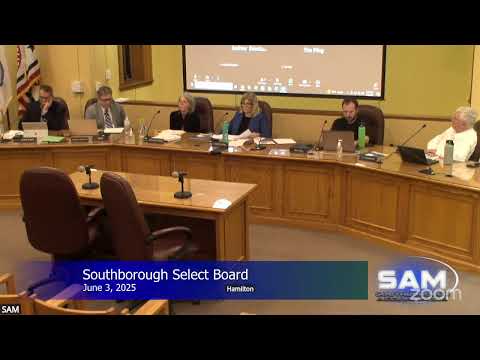
Southborough panel to form short-term K–8 research committee after board votes not to seek MSBA extension
Summary
The Select Board voted to decline a request to extend the Massachusetts School Building Authority (MSBA) deadline and directed staff and members to develop a narrower, fact‑finding K–8 research charge to cost and compare alternatives to the previously proposed Neary (Plan A) project.
The Southborough Select Board voted Wednesday to decline seeking an extension from the Massachusetts School Building Authority and directed town staff and board members to refine a short‑term research charge to evaluate alternatives for town K–8 facilities.
The vote followed hours of discussion and public comment after last month’s special town meeting rejected the board‑backed Neary (Plan A) school project. Select Board member Al moved “I move that the board take the position that we will not ask for an extension from the MSBA,” and the board approved the motion by voice vote.
The research committee the board proposed would be charged to produce a factual comparison of feasible options — for example, base repairs to the Neary building to extend life for 5–10 years, moving grade levels among Finn, Woodward and Trotter, renovating existing schools, or a new four‑grade building at the Neary site — and to present annotated cost estimates, pros and cons, and other metrics to the public. The board and several commenters emphasized the committee’s work should separate educational impacts from pure cost comparisons.
Select Board Chair Andrew Dennington said the draft committee charge is intended as a short, fact‑finding effort that could provide the basis for public forums or a nonbinding fall town meeting exercise. Select Board members also proposed different budget guardrails during debate: one board member suggested a short‑term repair budget of about $10 million, and another proposed a larger structural reconfiguration target near $25 million as examples for committee planning. A $68 million figure for the previously rejected Plan A was repeatedly referenced by members as the benchmark voters declined at the special town meeting.
Residents at the meeting urged the board to prioritize educational outcomes in any options analysis. Parent and former middle‑school principal Beth Witkoff offered to serve on the committee, saying educators’ perspectives must be included in evaluating grade‑configuration options. Other speakers stressed that Neary remains a functioning school and urged the board to avoid alarmist language about safety.
The board also discussed timing: staff and trustees noted the MSBA application schedule imposes deadlines, and several members discussed using the fall and winter to cost and vet alternatives. The board agreed to continue drafting the committee charge and to circulate a consolidated document for approval at an upcoming meeting so appointments and work can begin over the summer and early fall.
Board members and commenters warned the work will require outside cost estimating and clear annotation of assumptions such as inflation and contingency. One speaker noted that prior feasibility work spent the town’s allocated $950,000 for studies and that additional outside estimates will increase project expenses.
The board separated the procedural decision (not to request an MSBA extension) from the substantive work of the new committee: the extension vote closes the window on asking MSBA for more time, while the committee will still be able to evaluate whether alternatives could be advanced to town meeting or otherwise pursued.
The board instructed two members and town staff to continue consolidating draft charge language and return with a proposed final charge and appointment plan at a near‑term Select Board meeting.