Get Full Government Meeting Transcripts, Videos, & Alerts Forever!
Get email alerts on the Public Finance Bonds topic
No spam. Unsubscribe anytime.
Codington County commissioners approve resolution to enable sale of voter-approved general obligation bonds
Summary
Commissioners approved a resolution authorizing the county to complete actions needed to issue voter-approved general obligation bonds, including levying a dedicated tax and hiring necessary agents for sale and book-entry registration.
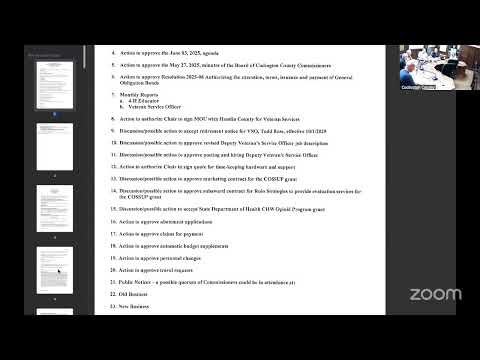
Codington County commissioners on Tuesday approved Resolution 2025-08 authorizing the county to take the administrative steps needed to issue general obligation bonds voters previously approved.
The resolution delegates authority to county officials to finalize bond terms, execute the bond purchase agreement, hire necessary agents and place the bonds in book-entry form, and levies an irrepealable tax to pay principal and interest when due, a requirement the county must meet to issue the bonds.
Why this matters: the vote lets county officials move from voter approval to actually selling the securities. Without the procedural steps the resolution authorizes — hiring underwriters/agents, approving rating agency participation and setting sale terms — the county could not complete bond sales even though voters approved the measure.
Mr. Pryor, who explained the measure online, told the board the resolution "authorizes not to exceed the amount that was approved by the voters" and establishes the tax levy required by the state constitution. "So that's basically what this resolution does," he said, describing the practical effects: authorizing the auditor and the chairman to execute documents that set the terms of sale, making the bonds book-entry through DTC, and ensuring compliance with the Internal Revenue Code and applicable securities provisions.
Commissioner Gable moved to approve the resolution; Commissioner McElhaney seconded. The motion passed on the voice vote recorded by the chair.
The resolution requires publication in full with the minutes, the board was told.
The record of the meeting does not include a roll-call tally; the board approved the motion by voice vote.