Get Full Government Meeting Transcripts, Videos, & Alerts Forever!
Get email alerts on the Surplus City Properties topic
No spam. Unsubscribe anytime.
City staff outlines review of roughly 48 city-owned parcels and options to generate one-time revenue
Summary
Staff presented a first-pass review of about 48 noncritical city-owned parcels, highlighting constraints (CDBG and LWCF restrictions), appraised values, and options for disposal or reuse; council asked for documents and did not take formal action.
City staff presented a preliminary review of roughly 48 city-owned parcels that are outside the city's critical infrastructure and parks portfolio and described options for selling, leasing or repurposing properties to generate one-time revenue and return land to the tax roll.
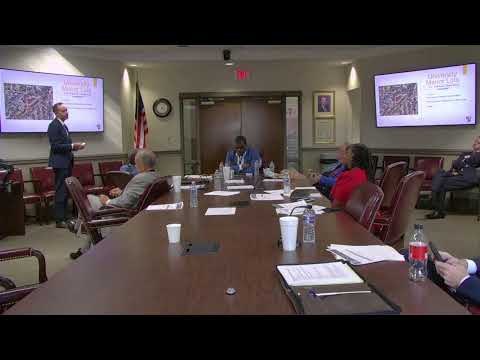
Brandon, a city staff member, said the review excluded critical infrastructure and designated parks and covered "the facts of due diligence for property," noting many parcels are institutionally zoned and would require subdivision and engineering review to change use. He told the council the city is responsible for about 500 properties overall but this review focuses on the first batch of roughly 48 parcels.
Staff cited several constraints and opportunities. Properties purchased or improved with Community Development Block Grant (CDBG) funds must be sold or leased at fair market value and proceeds returned to the relevant program, the presenter said. The Phelps Center site includes a 10.23-acre portion protected by the Land and Water Conservation Fund (LWCF), which staff said would require a federal conversion process to change its protected status. The presenter noted an appraisal of a parcel at 3200 Greensboro returned roughly $3.3 million and flagged other parcels with appraisals or pending contracts (for example, Fire Station 11 disposal authorized on May 13, 2025; contract in progress).
Staff described a range of parcels by type and constraint: small infill lots suitable for single-family housing, vacant tracts lacking sewer access that would need utility extension, historic buildings with covenants or lease restrictions (for example, the Harvey Collins House is leased to the Tuscaloosa County Preservation Society through Sept. 30, 2025, with options), and former public facilities that may be appropriate for redevelopment or continued public use (for example, an older jail building and the McAfee/Maccabees Center property). The presenter said some properties could produce one-time revenue and others might provide ongoing tax revenue if repurposed.
Council members and staff discussed next steps: staff will distribute a PDF copy of the full property review to council members, add interested parties to the RFP list upon request, and accept direction on which parcels the council wants staff to pursue further. No formal votes or disposals were taken during the presentation.
Several council members raised matters for future review: ensuring compliance with CDBG rules on proceeds, preserving historic names when properties are repurposed, clarifying which fund proceeds must be deposited into (not necessarily the general fund), and reviewing environmental and geotechnical testing results that staff said would be completed for some sites in July. Staff encouraged council members to identify specific parcels for deeper review or RFP preparation.