Get Full Government Meeting Transcripts, Videos, & Alerts Forever!
Get email alerts on the Alternative School Transportation topic
No spam. Unsubscribe anytime.
Rutherford County leaders debate ending bus service for students assigned to alternative schools
Summary
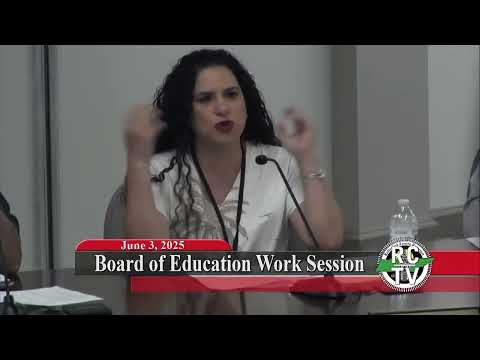
At a Rutherford County Schools work session, board members discussed a proposal to end bus transportation for students assigned to alternative schools — a change proponents say would increase parental accountability and critics say could raise truancy and federal accountability risks.
Rutherford County Schools board members discussed a proposal at their May work session to remove district-provided bus transportation for students assigned to alternative schools, potentially requiring parents to provide transportation.
The proposal, added to the work-session agenda at a board member’s request, would change current practice in which students ride their zone bus and transfer to a different bus to reach alternative campuses. A staff summary presented to the board said the “proposed option is to remove transportation entirely, requiring parents to provide transportation.”
Board members and administrators framed the discussion around discipline, student safety on buses, federal accountability for absenteeism and practical implementation questions. “Students can only miss 18 days to be considered … chronically absent,” said Dr. Michael Sullivan, Director of Schools, summarizing federal attendance thresholds the district monitors. Sullivan warned that removing transportation could lead to more truancy filings against parents.
Several board members supported the idea as a disciplinary tool. “These kids at the alternative school coming back to the school and waiting for the bus … have always created a problem,” said Mark Vaughn, identified in the discussion as a school principal, arguing the burden should fall to parents. Other board members said the policy would send a message about parental responsibility and could free some bus routes.
Administrators flagged logistical and equity concerns. The alternative-school population is small relative to district enrollment — principals noted one alternative program’s capacity is about 25 and districtwide alternative placements ranged from a low of about 100 to 150 at any one time, with larger annual totals reported — but removing transportation could still affect students whose parents lack flexible schedules or reliable transport. District staff cautioned that increased absence from alternative placements could hurt schools’ federal accountability measures and academic progress.
Board members and staff discussed alternatives and operational limits: virtual schooling could be used in some cases but could harm virtual program accountability if students with behavior issues were reassigned there; alternative-school students are not permitted to drive to campus; and seat limits at alternative programs mean principals must manage placement carefully.
No formal motion or vote occurred during the work session. The board member who requested the agenda item said the topic was placed on the work-session agenda so the board could discuss options and consider a motion at the board’s regular meeting on Thursday.
The discussion raised outstanding questions board members asked staff to track, including: projected absenteeism if transportation is removed, impacts on federal accountability measures, how many families would be unable to provide transport, and how removal of transportation would interact with existing discipline and placement procedures.