Get Full Government Meeting Transcripts, Videos, & Alerts Forever!
Get email alerts on the Criminal Justice topic
No spam. Unsubscribe anytime.
Dallas County leaders call for system changes as jail population and lengthy unfiled cases strain resources
Summary
County officials described a sustained, high jail population and hundreds of cases not filed for months, and commissioners backed a plan to study early diversion and other reforms after officials reported staff and bed pressures.
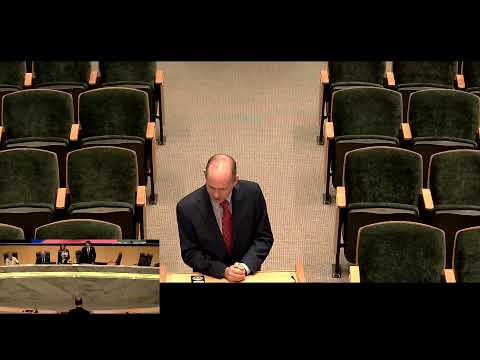
Dallas County commissioners on June 25 pressed law-enforcement and justice system partners to accelerate filing and case-processing steps after officials said hundreds of people remain in county custody while cases are not filed or are delayed.
The court’s most sustained discussion centered on a months‑long surge in jail population and a backlog of cases that county leaders said is consuming beds and county dollars. Commissioners and staff stressed the problem is a system issue involving municipal police departments, the district attorney, county judges and public defenders rather than a single office.
Commissioner John Wiley Price said the county’s midnight count hovered near its authorized capacity and that many jailed people had been held for long periods — including examples of cases not filed for “270 days.” He said the county was seeing people who have been in custody for weeks and months on relatively low bonds, and he urged greater cooperation among police, courts and prosecutors to reduce the population and costs.
“Either you file the case or you don’t,” Price said, pressing for clearer action from law enforcement and prosecutors on outstanding arrests. He repeatedly urged police departments and the district attorney’s office to move cases or release people.
County staff and managers described steps already under way to address the problem: public‑defender office efforts to file writs, outreach to city police departments to shift some workloads back to city prosecutors, and planning to replicate Miami’s early diversion and rapid‑magistration model. County staff said Miami’s approach pairs judges, prosecutors and defense with community providers to divert people with behavioral‑health and substance‑use needs away from long jail stays and into on‑site services and housing.
Commissioner Elba Garcia and other commissioners said the county will send delegations — including judges, public defenders and law‑enforcement representatives — to observe Miami’s model and return with concrete steps to pilot local changes, such as early diversion at magistration and expanded peer supports. County staff said some of the changes could require reallocation of existing funds and possible program design this year.
Officials also highlighted a shortage of state psychiatric beds for competency restoration; the court was told 232 people were waiting for state hospital beds, down from earlier highs but still a material operational constraint because statutory timelines can force releases for some defendants.
Commissioners asked county staff to assemble city and police leadership so the court could identify specific precincts and departments with the largest filing delays, and to prepare a letter from the court to city chiefs and the district attorney that urges faster filings, better coordination and the potential for system redesign. Commissioners said they would also follow up after the Miami trip and asked for cost estimates for alternatives such as community treatment centers and peer‑support field teams.
The court did not adopt a final policy in the session but approved sending teams to study diversion models and directed staff to convene the relevant agencies for a coordinated plan.