Get Full Government Meeting Transcripts, Videos, & Alerts Forever!
Get email alerts on the Municipal Budget topic
No spam. Unsubscribe anytime.
Lackawanna reviews $35 million proposed 2025–26 budget as health-care, contracts and a new HR position drive costs
Summary
At an informal council hearing, city finance staff presented Mayor Iapalo’s proposed $35 million 2025–26 budget, citing rising health-care costs, newly negotiated police and fire contracts and a planned part‑time human resources specialist as primary drivers; council members requested legal and historical review before final action.
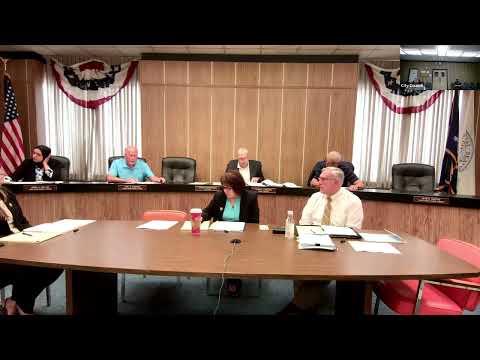
City officials in Lackawanna met in an informal hearing Friday to review Mayor Iapalo’s proposed $2025–26 budget, which finance staff said totals $35,000,007.34 and would raise the city’s proposed tax rate to 18.13 mills from 17.52 mills and use unassigned fund balance to cover part of the increase.
The budget “totals $35,000,007.34 to 97. That's a increase over the last fiscal year of about $2,800,000,” Michael, a controller’s-office budget presenter, told the council. He said rising health‑care costs and newly negotiated police and fire contracts were the main drivers of the increase.
The proposed rate change and spending matter because the plan would use roughly $2.9 million of the city’s unassigned fund balance to limit property‑tax growth. “To maintain only about 3 and a half percent increase in tax rate, the city has proposed, contributing about $2,900,000 of unassigned fund balance to the benefit of this budget,” Michael said. He also cited an increase in undistributed health‑care expenses, saying the city budgeted for what brokers expect: a roughly 52.4% rise in that line, “making up about almost a million 5 of the $2,800,000 of expense increase.”
Police and fire contracts also added materially to the spending plan. Michael told the council that contract changes for both departments represent about $738,000 of the year‑over‑year increase, driven by salary raises and step increases. He said the budget assumes a 3% general increase for fire and 3.5% for police in the bargaining calculations and that the city budgeted conservatively “for the worst case scenario.”
Other line items flagged at the hearing included street maintenance (about $265,000 of the increase) and anticipated reductions in one‑time federal revenues from ARPA and FEMA that have benefited prior budgets. On revenue timing, Michael noted an extra pay period in the coming year (27 pay periods versus 26) and said the revised budget moves that extra payroll amount into a separate line labeled for the 27th pay period so annual salary lines remain comparable to prior years.
Council members pressed for clarification on several personnel items. The budget adds a part‑time human resources specialist at $35,000 that council members said the mayor requested; members asked whether the city charter permits adding a new position. “I don't think just a new position can be created without either a referendum amending the charter or councilmatic approval for the position,” the Council President said, requesting a legal opinion before the council acts on that portion of the budget. Several members also asked staff to review whether duties absorbed previously by other employees were compensated when those duties shifted and whether creating the HR specialist would duplicate or rationalize existing pay lines.
Councillors also sought detail on attorney‑office pay and duties. Members said earlier increments to the law department’s pay were intended to account for additional duties such as zoning and planning attendance and oversight of building inspectors; staff were asked to trace the history of those pay changes and confirm who assumed which responsibilities. Assistant city attorney Christy Cooper was named in discussion as taking over zoning and planning attendance from a predecessor; council members noted that attendance at planning meetings has historically been a law‑department obligation.
The budget shows an “employee negotiations” contingency of $107,269 to anticipate increases for bargaining units that have not yet settled contracts, and a small overtime line (about $3,000) in civil‑service personnel for administering weekend examinations. Recreation and parks increases were detailed as well: splash‑pad water costs were increased to $20,000 (up from about $16,500 in the prior year), and two seasonal “park maintenance leader” positions appear in the proposed personnel roster with small part‑time allocations (about $2,437 each).
Council members agreed that the hearing did not conclude with formal votes. Instead, they asked staff to provide documentation and legal guidance before the budget is taken up on a future meeting agenda. The Council President invited the public to attend the council meeting when the budget will be formally considered and left open the possibility of scheduling an additional, better‑advertised hearing to increase public access.
No formal motion or vote was taken at the hearing; members closed the session having requested follow‑up information on charter authority for new positions, historical salary adjustments in the law department, and confirmation of line‑item treatments (notably the 27th pay period adjustment) prior to final budget action.