Get Full Government Meeting Transcripts, Videos, & Alerts Forever!
Get email alerts on the Governance Procedures topic
No spam. Unsubscribe anytime.
City attorney to return with options after council debate on proclamations, agenda requests and finance committee
Summary
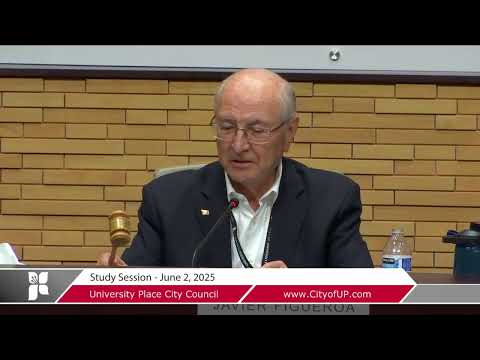
Council held a study session on proposed amendments to council rules and procedures: who authorizes proclamations, a standard agenda/request form, meeting‑extension timing and moving quarterly finance reviews into regular council meetings. City attorney will bring draft rules/options back to a future study session.
The City Council spent a study session reviewing proposed amendments to council rules of procedure, focusing on proclamations/recognitions, how items get on the agenda, a streamlined agenda proposal/request form, meeting extension timing and the role of the finance committee.
City Attorney Kaeser framed the discussion by noting “These are your rules. These are your processes,” and urged council to choose how it wants to operate. He presented several options for who should make initial decisions on proclamations: a get‑to‑yes approach (mayor/mayor pro tem approve noncontroversial items), a full‑council referral when doubt exists, or a hybrid system. Kaeser also summarized how other nearby jurisdictions handle proclamations and recognitions.
Major points from council discussion
Proclamation vs. recognition: Council members repeatedly asked to distinguish “proclamations,” which many described as a city‑level statement reflecting broad city values (examples cited included Martin Luther King Day and Arbor Day), from “recognitions,” which many suggested should be used for business anniversaries or individual achievements. Several council members said they prefer recognitions for business milestones and proclamations for matters of civic significance.
Who decides and minor events: Options discussed included allowing the mayor and mayor pro tem (and optionally the city manager) to approve short‑notice recognitions, maintaining an annual baseline list of routine proclamations to be confirmed at the annual retreat, and requiring a second council member’s signature for items originating from council members before staff time is expended.
Agenda proposal/request form and vetting: Council discussed harmonizing two overlapping rules about how items get on the agenda and simplifying the form. Several council members said the proponent(s) should give a high‑level estimate of fiscal impact so colleagues can evaluate whether to ask staff for a deeper analysis. Staff recommended that a detailed fiscal and departmental review should occur after council votes to direct staff to study an item so staff time is not spent unnecessarily.
Meeting‑extension timing and finance committee: Council discussed changing the point‑of‑order timing for meeting extension to within 30 minutes of the scheduled meeting end to match practice, and removing the standalone finance committee in favor of quarterly financial reviews conducted in regular council meetings or a short special meeting when schedules require. Council noted quarterly financial review is important for bondholder expectations and fiduciary transparency.
Direction to staff
Mayor asked whether the city attorney had enough feedback; Kaeser said he was “mentally crafting what a rule might look like” and would bring draft options back to a future study session. The council also asked staff to circulate a list of routinely used proclamations so the council can confirm an annual baseline before the next relevant calendar observances.
Ending
The council provided direction but took no formal ordinance or resolution action. The city attorney will return with draft rule language and options clarifying proclamation standards, agenda request procedures and meeting timing.