Get Full Government Meeting Transcripts, Videos, & Alerts Forever!
Get email alerts on the Building Code Sprinklers topic
No spam. Unsubscribe anytime.
Arlington council advances parts of building-code update, tables residential sprinkler requirement for further review
Summary
Arlington City Council approved three minor amendments to municipal code on fire-damaged buildings, mobile food vehicles and restricted-access buildings, and postponed a broader change requiring residential fire sprinklers so staff can refine language and return next week.
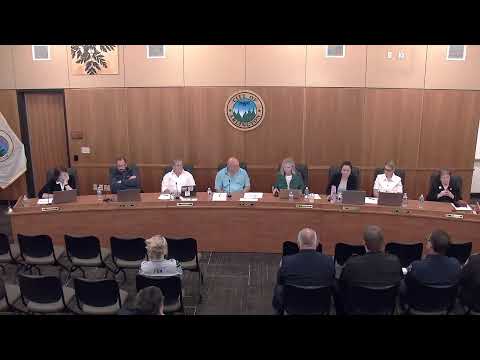
Arlington City Council on Monday approved three changes to Title 15 of the city code but postponed a separate, more controversial section that would require fire sprinkler systems in many new single‑family and two‑family homes.
The council voted to adopt code language clarifying rules for fire- or explosion-damaged buildings, mobile food preparation vehicles and restricted-access buildings, while delaying final action on section 15.24.040 (fire sprinkler systems) to allow staff to incorporate edits discussed at the meeting and return with final wording.
The sprinkler language was the focus of a long public discussion. Commenters and fire professionals attended in force. “Please table this for additional study,” said Russell Joe, a commenter who urged the council to consider additional cost information and interpretations of the enabling statute. Several fire officials and marshals told the council that modern construction and open floor plans increase fire growth and that residential sprinklers can reduce damage and save time for occupants and firefighters.
Mike Messer, assistant chief of support services and fire marshal for Snohomish Regional Fire and Rescue, urged the council to consider the separate technical perspectives fire officials bring to building-review decisions. “When we’re doing these reviews, we know what it takes to fight that fire,” Messer said, noting the value of dual review between building and fire code officials.
Snohomish County Fire Marshal’s Office representative Seth Henderson and Stanwood/Arlington fire marshal Steve Goforth also described how residential sprinkler systems are used in new subdivisions and how sprinklers can allow code tradeoffs such as reduced lane widths or other design accommodations for builders. “Usually builders…if you sprinkler, we’ll let you do this,” Henderson said, describing common tradeoffs used to balance safety and housing yield.
City staff and the city’s planning and code consultant, Mark Hayes, explained proposed changes to the draft ordinance aimed at clarifying a 3,000‑square‑foot exemption. Hayes said the text will be revised so the 3,000‑square‑foot provision applies to non‑habitable structures (for example, bus shelters or covered walkways) rather than creating a broad exemption for all buildings under 3,000 square feet. “All new single family and 2 family residential construction will require a fire sprinkler system,” Hayes said, describing the intended scope of the requirement as written in the draft.
Council members and commenters pressed for data and context during the discussion. Chief Dave Kraske reported the city’s average fire response time of “6 minutes and 28 seconds” inside Arlington city limits and said there were two fire-related deaths in the last five years; in both cases, he said, the homes were older and lacked working smoke detectors. Kraske referenced the 1997 Arlington Manor fire as a historical example of high fatality risk where a lack of working detectors and absence of sprinklers contributed to loss of life.
Councilmember Heather moved to approve the three non‑sprinkler code changes; the motion carried. She then moved to table the sprinkler section until the revised wording discussed at the meeting is provided to council next week; that motion also carried (the council noted one vote against the tabling motion).
The city will return the revised sprinkler language to council for further consideration. Staff said they will recraft the ordinance to incorporate the meeting clarifications (including the non‑habitable‑structure language) and to ensure the code matches the interlocal agreement reference about who serves as the fire code official.
The council emphasized it was not closing the conversation with builders and fire-service partners. Several council members said they want a clear, final ordinance that reflects the technical language discussed at the meeting and the tradeoffs jurisdictions use when requiring residential sprinklers. No final policy requiring sprinklers was adopted at the meeting; only the three ancillary Title 15 changes were approved and the sprinkler provision was delayed for further review.