Get Full Government Meeting Transcripts, Videos, & Alerts Forever!
Get email alerts on the Sba Lending And Immigration topic
No spam. Unsubscribe anytime.
Rules Committee advances three Small Business bills targeting sanctuary policies, loan eligibility and SBLC caps
Summary
The Rules Committee adopted a structured rule that clears three Small Business Committee bills — HR 29 31, HR 29 66 and HR 29 87 — for House floor consideration. Supporters emphasized protecting SBA programs and taxpayer funds; opponents warned of unintended harm to small businesses, community lenders and the Community Advantage program.
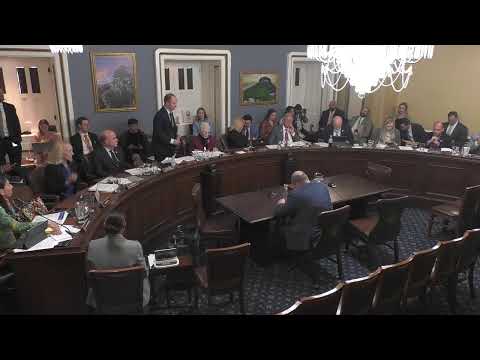
The House Rules Committee on Monday approved a structured rule to bring three bills from the House Committee on Small Business to the floor: HR 29 31 (Save SBA from Sanctuary Cities Act of 2025), HR 29 66 (American Entrepreneurs First Act of 2025) and HR 29 87 (the CEASE Act, capping Small Business Lending Company licenses). The committee adopted the rule by roll call after extended hearing testimony and vigorous floor‑style questioning.
Supporters of the measures framed them as efforts to protect taxpayer‑backed loan programs and restore oversight after recent regulatory changes at the Small Business Administration. Representative Van Dyne, testifying for the Small Business Committee, described HR 29 31 as requiring the SBA to relocate regional offices out of jurisdictions the bill classifies as “sanctuary” jurisdictions and said HR 29 66 would require citizenship or lawful‑resident verification for recipients of SBA assistance. Van Dyne described HR 29 87 as restoring a historical cap on the number of non‑bank Small Business Lending Company (SBLC) licenses at 16 to ensure SBA regulatory capacity.
Opponents, including Ranking Member Velázquez of the Small Business Committee and other Democrats on the Rules panel, argued that the bills would reduce access to capital for some entrepreneurs and impose heavy compliance costs on lenders. Velázquez and other critics said the committee had not seen evidence that ineligible borrowers were receiving SBA loans and warned that adding new verification and ownership thresholds could deter participation by Community Advantage SBLCs that make small loans to underserved borrowers.
Key provisions and testimony: - HR 29 31 (Save SBA from Sanctuary Cities Act): As described in testimony, the bill would require SBA regional offices located in jurisdictions designated as sanctuary jurisdictions to be relocated to another area within the same state; an amendment from the Small Business chairman was said to preserve services in law‑abiding cities while removing an exemption for jurisdictions that provide certain protections to immigrants who report or witness crime. Supporters cited statements by Administrator Kelly Loeffler that the SBA would move offices; opponents warned moving offices would disrupt services for in‑person customers and would impose costs without a clear justification or validated sanctuary designations. - HR 29 66 (American Entrepreneurs First Act): The bill would require submission of date of birth for each applicant or business owner, certification that each applicant is a U.S. citizen, U.S. national, or lawful permanent resident (and, for businesses, that 100% of owners meet those criteria), and disclosure of alien registration numbers for lawful permanent residents. Testimony described exclusions of asylees, refugees, visa holders, DACA recipients and undocumented individuals from SBA assistance under the bill’s terms as discussed by supporters; critics cautioned that lenders could stop participating to avoid compliance risk and that no broad evidence of improper lending was presented. - HR 29 87 (CEASE Act): The bill would amend the Small Business Act to limit the SBA administrator to authorizing not more than 16 non‑nonprofit SBLCs to make Section 7(a) loans at any time, restoring a cap supporters said existed for decades before the recent expansion.
During the Rules hearing, committee members from both parties pressed witnesses on specifics: how an SBA office relocation would be implemented, how sanctuary jurisdictions would be identified, whether lawful immigrants who are long‑term residents would remain eligible for loans, and what protections community lenders would retain. Ranking Member Velázquez warned that the bills could produce a “massive compliance burden” that would reduce lender participation and harm entrepreneurs seeking small business financing.
The Rules committee’s structured rule bundles these three bills with HR 24 83 (the SUPPORT reauthorization). After a series of recorded procedural votes on rule amendments, the committee approved the package by roll call (clerk reported 9 yeas, 3 nays), sending the bills to the floor under the terms the committee set.
Why it matters: The measures would change federal oversight and eligibility rules governing SBA‑backed lending and regional SBA operations. Backers argue the bills protect taxpayer dollars and tighten oversight; critics say they risk reducing credit access for new, underserved or community borrowers and could impose administrative costs that shrink the pool of participating lenders. The Rules committee’s action clears the path for floor debate. Additional amendments and votes may follow.