Get Full Government Meeting Transcripts, Videos, & Alerts Forever!
Get email alerts on the Budget Development topic
No spam. Unsubscribe anytime.
Becker County commissioners press for earlier, clearer budget process as wages and capital needs squeeze levy
Summary
County commissioners and staff met in a workshop to map improvements to Becker County’s budget process, emphasizing earlier board engagement, clearer departmental reporting and a capital-improvement plan to respond to rising wage and operating costs and state mandates.
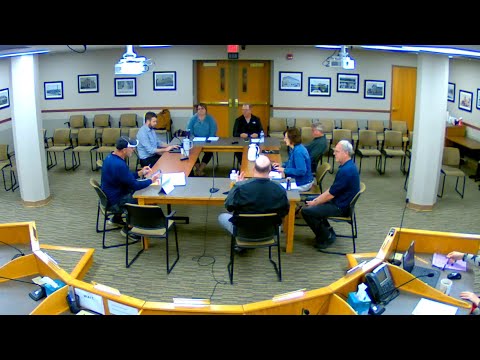
Becker County commissioners and county staff spent a working session reviewing the county’s budget timeline and options to tighten decision-making and communication as rising personnel costs and deferred capital needs pressure the levy.
The discussion, led by Ryan Selak, Strategy and Planning Manager with Washington County, and Carrie (Administrator), centered on three priorities: engaging the full board earlier in the cycle, producing clearer department-level summaries and a one-stop “dashboard,” and creating a formal capital improvement plan so planned replacements (boilers, vehicles, building systems) are visible and fundable.
Why it matters: commissioners said recent wage adjustments and one-time federal funds have reduced reserves and left little flexibility for new capital needs. Phil Hansen summarized the financial picture that several speakers discussed: "That's our $28,000,000 in levy. 26% of that goes to human services. 40 percent goes to the sheriff — public safety. 19 percent goes to general. 6% is debt service, and 9% is highway," citing the county auditor’s breakdown.
Key details and concerns
- Earlier board engagement: Commissioners asked to review budget materials and preliminary proposals sooner than the current mid-July worksheet timeline, and discussed holding one or more full-board work sessions (not only committee reviews) so non‑committee members see the full picture before levy decisions. Commissioner Barry Allison said the board needs "to be deeply involved in the direction we want to go."
- Department-level clarity and a dashboard: Several commissioners asked for a concise, consistent report for each department (high level: personnel, revenue, expenditures, grant dependencies) and for quarterly updates showing where departments are relative to budget. Selak offered to share templates his county uses and said he can adapt them for Becker County.
- Mandates and funding splits: Commissioners asked staff to compile a single list of mandated county functions and the funding sources for each (state, federal, levy). That list would show, for example, positions reimbursed largely by state funds (MinChoices/social services positions were cited as examples) so the county can weigh the levy impact of cutting or keeping programs.
- Wage and contract timing: Commissioners flagged that recent wage adjustments and an updated pay structure have produced a substantial levy impact. Several speakers said steps and lane changes and a 3.5% cost-of-living discussion already committed a large share of employee costs. Participants urged starting labor negotiations earlier so anticipated contract increases are reflected in preliminary budgets rather than negotiated after budgets are adopted.
- Capital improvement planning: Participants repeatedly raised the lack of a county-wide capital improvement plan. Speakers said decades of smaller reserves and one-time funds (including ARPA) left the county with few unplanned dollars for major replacements. Commissioners proposed options including using restricted revenues (for example, whole-county sales-tax proceeds dedicated to roads) or bonding and then factoring debt service into long-term budgeting.
- External partners and grants: Commissioners asked that external entities the county funds (museum, fair, airport, soil and water, other community partners) provide a clear statement of the impacts if requested county support is reduced. The group also discussed how grant-funded positions (often 90% state-funded) can affect levy sensitivity.
- State and federal mandates: Several attendees described pending or proposed state policies — notably paid family leave and other legislative changes — that could increase local costs. Participants asked for clearer estimates of state-driven costs so those mandates could be shown separately in the budget and communicated to the public.
What staff will do next
Ryan Selak said he will complete an environmental scan, review survey responses that close this week and produce a current-state report with recommended tools and templates. He told the board he would return in the summer with findings and suggested templates that could be adopted this budget season or phased in next year. "I'll take the feedback... and pull together a current state of affairs," Selak said.
Discussion vs. decisions
This session was planning and direction-setting; no formal budget was adopted during the meeting. Commissioners and staff agreed on next steps (direction to compile mandates/core functions, draft dashboard templates, and prepare a capital-improvement framework). A separate motion to move to a closed session under Minnesota law was made later in the agenda; the motion was seconded, but the public-recorded vote was not captured in the transcript excerpt.
Ending
Selak said he will incorporate the board’s feedback and return with more formal recommendations and templates during the summer. He also noted he is collecting survey input from department heads and will share the compiled results with administration and the board. "If in 1 year we've made tremendous progress... you're confident that data is accurate and making good decisions," a commissioner said as a stated goal for the process going forward.