Get Full Government Meeting Transcripts, Videos, & Alerts Forever!
Get email alerts on the Sidewalk Enforcement Snow Fines topic
No spam. Unsubscribe anytime.
Committee backs increased fines for uncleared sidewalks, cites Chapter 40U limits
Summary
The committee voted to send an amended ordinance to the full council that raises fines for failure to clear sidewalks after storms; staff said the legal route used (Chapter 40U) does not allow separate residential/commercial fine levels and that enforcement will prioritize schools, parks and busy intersections.
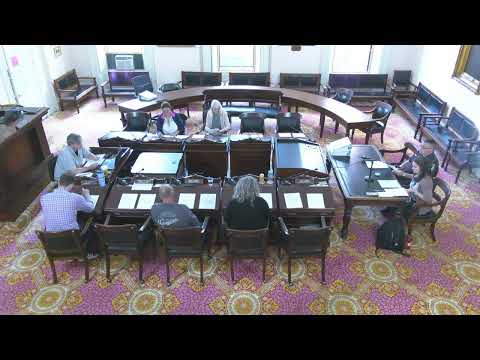
The Salem City Committee on Public Health, Safety and Environment voted June 2 to forward an amended ordinance to the full City Council that raises penalties for failing to clear snow and ice from sidewalks after storms. Committee members and staff said the city will pursue increased enforcement and more proactive outreach to frequent offenders.
Committee chair Councilor Cohen summarized staff remarks about enforcement and the legal path to increase penalties, saying the solicitor relied on a state statute commonly referenced as Chapter 40U. “For us to be able to do this increase, the solicitor used a law called 40 u and, chapter 40 u,” the chair said at the meeting.
Building Department staff told the committee that current enforcement treats clearing failures as a per‑day offense and that the department plans a more proactive approach this winter, identifying repeat problem locations for targeted outreach and enforcement. The Department of Public Services director told the committee that staff prioritize clearing routes serving schools, parks and busy intersections and that the city has sometimes kept snow‑emergency restrictions in place longer to allow additional clearance time.
The committee discussed equity and practical issues, including residents who cannot physically clear sidewalks. Members urged outreach and volunteer options; the chair noted past volunteer programs and suggested the city explore partnerships with schools or community organizations to assist residents who cannot clear walks.
The ordinance language in front of the committee sets sidewalk removal time at six hours after snowfall stops, or by 12 noon after overnight storms (consistent with the existing ordinance language staff recited). Committee members asked staff to consider outreach and support for residents with mobility challenges.
Formal action: committee voted to send the amended sidewalk enforcement ordinance to the full City Council with a positive recommendation. The motion was made and seconded on the record; the chair called for the vote and the committee approved the recommendation to send the ordinance forward.
Ending: The committee approved the recommendation and asked staff to continue planning proactive enforcement, targeted outreach to repeat noncompliant properties, and volunteer or assistance options for residents who cannot clear their sidewalks.