Get Full Government Meeting Transcripts, Videos, & Alerts Forever!
Get email alerts on the Biased Conduct Definition topic
No spam. Unsubscribe anytime.
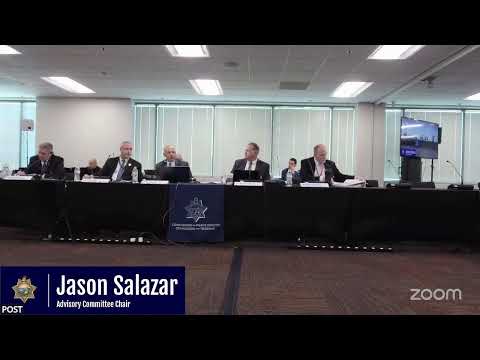
POST workshop produces two options for defining ‘biased conduct’ under AB 443; panel favors statutory language with caution
Summary
POST convened subject matter experts and presented two draft definitions of 'biased conduct' required under AB 443: (A) a statutory‑language definition only, and (B) a broader definition adding 'action or inaction' and implicit bias considerations.
POST presented two options to define “biased conduct,” a term the Legislature required POST to develop under AB 443 (Penal Code §13510.6). A March workshop of subject matter experts produced suggested language and context; staff packaged two draft definitions for advisory consideration on June 3.
Lede: AB 443 requires POST to define biased conduct so agencies investigating bias‑related complaints can apply a common definition. POST staff convened a diverse group of experts—including prosecutors, law enforcement investigators, academics and sheriff’s association representatives—who recommended including both actions and inaction in a working definition.
Options presented - Option A: Mirror statutory language only—i.e., a concise definition that follows Penal Code §13510.6 without extending the text. - Option B: Statutory language plus expanded phrasing suggested by the SMEs, adding “action or inaction… whether on duty or off duty,” and language describing implicit as well as explicit bias. POST staff noted option B was adjusted to ensure statutory mandates (for example, scope of encounters and the statute’s statement that an officer need not admit bias to have conduct determined biased) were included.
Discussion highlights - Advisory members worried option B’s inclusion of “inaction” could unintentionally create new duties or liability for officers. Sheriff participants urged caution: without limiting language, “inaction” could be interpreted to impose a legal duty to act where none exists now. - Counsel suggested a compromise clause if option B is chosen: define inaction for this purpose as “a failure to act when pursuant to law or in accordance with the policy of the employing agency, the peace officer is obligated to take action,” thereby narrowing inaction to circumstances where a legal or policy duty exists. - Several advisory members favored starting with a narrow, statutory‑language definition to avoid producing an overbroad reporting burden until POST can provide supporting guidance and training to agencies.
Next steps: POST will present the recommended definition and supporting guidance to the commission; staff also plan to update background‑investigation and internal affairs guidance to help agencies identify bias indicators and to ensure consistent investigative practice.