Get Full Government Meeting Transcripts, Videos, & Alerts Forever!
Get email alerts on the Disciplinary Guidelines topic
No spam. Unsubscribe anytime.
Draft disciplinary guidelines revised to clarify role of psychotherapy, fitness for duty and cultural competency
Summary
POST staff updated proposed disciplinary guidelines after public input to clarify that therapists—rather than POST—determine whether ongoing psychotherapy or fitness‑for‑duty evaluations are needed, and to require culturally competent practitioners for any implied treatment conditions.
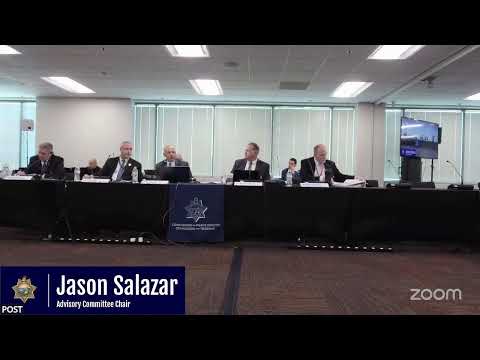
POST staff presented revisions on June 3 to proposed disciplinary guidelines that would help administrative law judges and the commission apply consistent sanctions. Staff described changes in response to public feedback, clarified roles for clinicians conducting psychotherapy or fitness‑for‑duty (FFD) evaluations, and proposed a resource list of culturally competent practitioners.
Lede: Assistant Executive Director Ann Marie Domino and Certification Bureau chief Michelle Wyler summarized changes made after meetings with stakeholders and public commenters. Staff said they planned to add language stating that revocation does not require a pattern of behavior and to make explicit that organizational pressure or coercion “does not preclude revocation.”
Nut graf: POST staff also addressed public concerns about the use of “may” in the guidelines, the commission’s role, and whether PTSD, addiction, or other clinical conditions should lead to mandated counseling as a condition of certification. Staff clarified that POST would not itself make therapeutic determinations; rather, culturally competent clinicians would assess fitness and recommend ongoing therapy when clinically indicated. POST said it would help curate an initial statewide resource list of clinicians but would not select individual clinicians for discipline decisions.
Key points - Language changes: staff proposed adding clarifying sentences to make clear that revocation does not require a pattern and that organizational coercion does not automatically preclude revocation. - Counseling and FFD process: optional terms and conditions could require evaluation, but POST would rely on qualified subject‑matter experts (for example, Dr. Sherlyn Lee) to review clinicians’ credentials and cultural competency; clinicians would report minimal status updates to POST (e.g., attending/participating) and would not transmit protected health information without the respondent’s written consent. - Confidentiality and access: staff said they would publish a resource list and make it available to all public‑safety personnel, not only officers subject to disciplinary action.
Questions and concerns from advisory members - Several members asked whether POST is becoming a probation department; staff said the guidelines are intended for administrative hearing consistency and public protection, not to create a full probation infrastructure. - Members raised access and equity concerns, noting clinician shortages in some regions and the need to allow telehealth where appropriate; staff indicated telemedicine would be permitted when clinically appropriate.
Next steps: staff plan to further refine language based on advisory and public input and to present the draft to the commission; staff expect to publish practitioner lists and intend to host a subject matter expert briefing (Dr. Lee) for commissioners in September.