Get Full Government Meeting Transcripts, Videos, & Alerts Forever!
Get email alerts on the Blind Pedestrian Safety topic
No spam. Unsubscribe anytime.
Committee adopts amendments and hears testimony on bills strengthening penalties for harm to blind pedestrians and service animals
Summary
Representative Vanderwall and Representative Tisdale presented House Bills 45-27 and 45-28; the committee adopted drafting amendments that raise the statutory penalty for gross negligence causing death of a blind person to align with Class C felonies and heard testimony from blind advocates and Leader Dogs recipients.
Representative Vanderwall and Representative Tisdale presented House Bills 45-27 and 45-28 to the House Health Policy Committee and the panel adopted amendments to correct drafting errors in statutory-penalty language before taking testimony.
On a motion to amend HB 45-27, the clerk recorded 15 yays, 0 nays, 0 passes; the amendment was adopted. On a separate motion to amend HB 45-28, the clerk recorded 15 yays, 0 nays, 0 passes; that amendment was adopted. The amendments changed the statutory penalty in the bills so that gross negligence causing the death of a blind person carries a penalty consistent with similar Class C felonies — up to 15 years — and established a penalty for killing a leader dog of up to five years, as explained by bill proponents.
Representative Vanderwall, who introduced the package and characterized the bills as “deeply personal,” said the measures “modernize[] and strengthen[] Michigan’s laws by clarifying the protections for blind pedestrians, including those using canes, walkers, or service animals.” He said the bills “critically codif[y] stronger penalties for drivers who fail to properly use precautions, especially in the case of gross negligence that cause injury or even death.”
Representative Tisdale and others explained the sponsor selected a Class C felony penalty to align with other severe offenses; Representative Tisdale said the top penalty for Class C felonies is 15 years and compared the proposed penalty’s severity to second-degree arson.
The committee heard emotional testimony from Nick Vanderwall, identified in the transcript as a youth transition specialist for Disability Advocates of Kent County and as the sponsor’s son, who said he is blind and relies daily on his leader dog, Doc. “They are a way for people to get around. It is my main reliance of getting around,” Nick Vanderwall said. He described multiple close calls in which his leader dog’s refusal to move or the quietness of electric vehicles prevented injury. “If I did not have a service animal, I would have probably been injured,” he said.
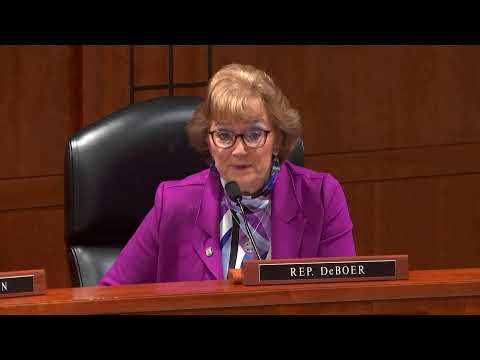
Representative DeBoer and other members recounted personal connections to leader-dog recipients and emphasized the dogs’ life-changing role. Representative Tisdale noted that Leader Dogs for the Blind, based in Rochester Hills, invests more than $60,000 per dog in training and services and that recipients train on campus for about three weeks, remarks recorded in the transcript as background to the bills’ penalty provisions.
The transcript records no final committee vote to report HB 45-27 or HB 45-28 to the House floor in the excerpt provided; the committee adopted the drafting amendments and then took testimony. Committee members thanked witnesses and placed no additional motions on the record in the sections of the transcript supplied.