Cupid: Cobb will pursue transit improvements, GDOT projects and EV infrastructure after failed referendum
Summary
Chairwoman Lisa Cupid said the county will continue seeking mobility improvements following a failed transit referendum, highlighting Cobb Link Go expansion, advocacy for GDOT's major mobility investments and work on EV and stormwater planning.
Chairwoman Lisa Cupid said Cobb County will keep pursuing accessible, equitable mobility options despite a recent transit referendum’s failure and highlighted county work on bus, on-demand and corridor projects.
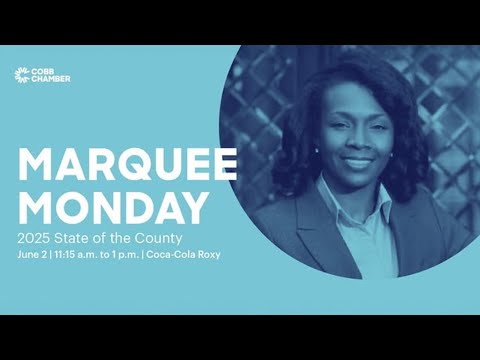
"Whether by bus, by bike, by rail, by foot, our residents, our employees deserve a system that moves them safely, efficiently, and affordably," Cupid said during the state-of-the-county address. She said county transportation staff are assessing ways to improve existing services and expand on-demand transit and commuter options such as Cobb Link Go, launched last year to expand service in South Cobb.
Cupid said county leaders are collectively advocating for Georgia Department of Transportation major-mobility investments that the county expects could reduce travel times by about 15% on targeted corridors; she named improvements around I-285 and I-20 interchanges, managed-lane extensions and express services as priorities. The chairwoman also cited a $500,000 award received to develop a long-term sustainability plan for EV infrastructure and a center for hard-to-recycle materials.
On stormwater, Cupid said the county’s aging system remains a challenge and said officials are working toward a “sustainable, transparent utility model” to address funding and equity in stormwater charges. No new ordinance or specific timeline was announced at the address; Cupid framed the remarks as planning and advocacy actions rather than completed projects.
County work on transit, EVs and stormwater will depend on state and regional partners, grant awards and internal planning, Cupid said.
AI generated
The text on this page is AI generated. Summaries, highlights, analysis, and video transcripts are all produced from the original source material.
AI can make mistakes, so if you spot one, and we will fix it for everyone.
Note: the source content is unaltered by us. Any content source we link to, be it a video, an audio recording, or a document, is presented exactly as its publisher released it. That publisher is usually a government body, sometimes an individual official or another organisation.