
Students urge district to teach consent, propose MVP and curriculum changes after reports of harassment
Get AI-powered insights, summaries, and transcripts
Subscribe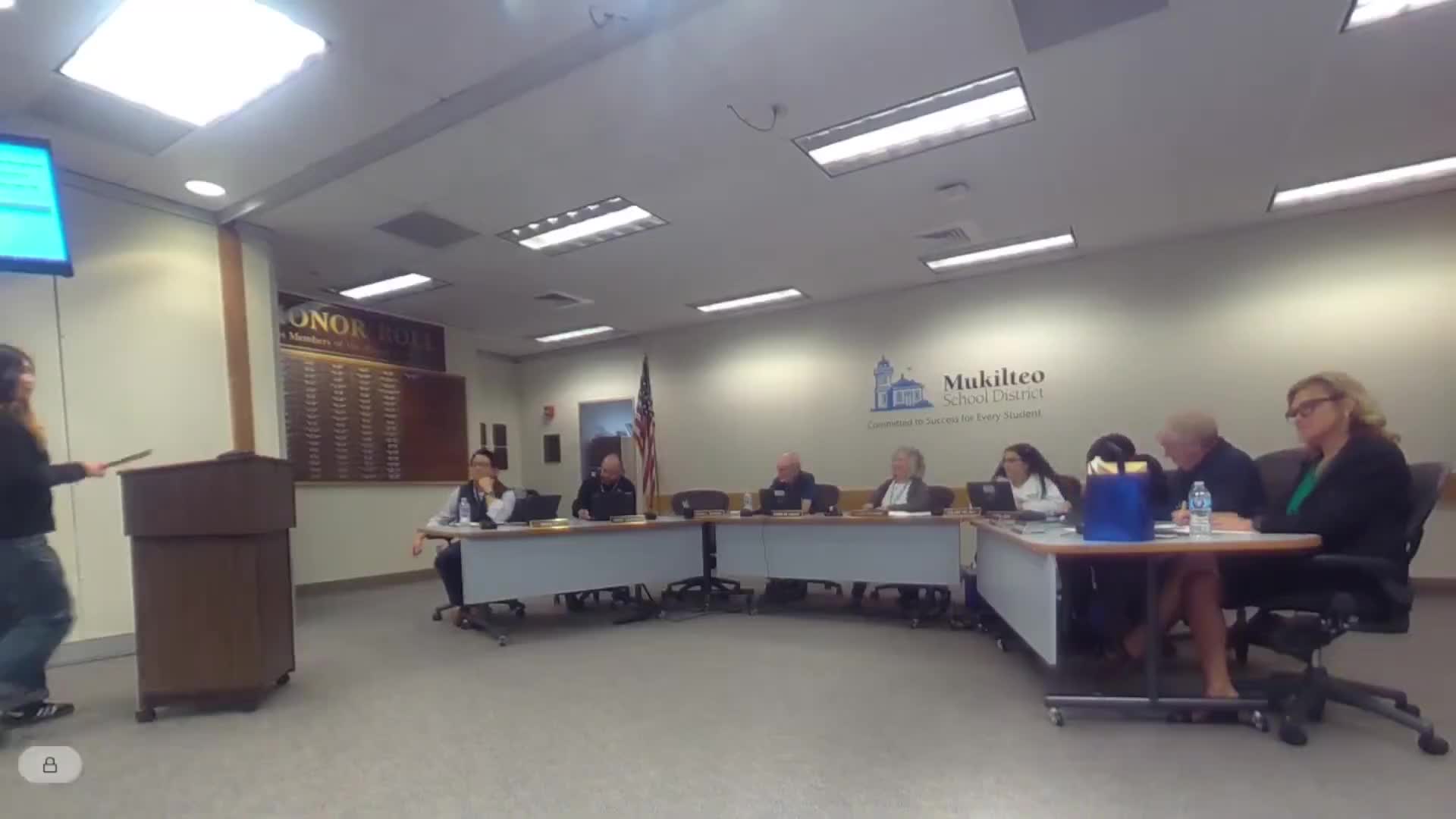
Summary
High school students told the Mukilteo School District board that they are experiencing misogynistic and harassing behavior among male peers and recommended a districtwide consent curriculum, mentors-in-violence programs and earlier consent instruction.
Students at Kamiak High School told the Mukilteo School District board on May 27 they have observed rising misogynistic attitudes among male peers and asked the district to adopt curriculum and programs to teach consent, mutual respect and gender-based violence prevention.
“Walking down these halls, I hear boys explain to me why women are inferior,” said Julia Truong, a Kamiak senior, who described online communities and influencers that she and classmates said normalize hostility toward women. Truong cited international and academic reports in broad terms and said the district’s students are exposed to a range of troubling online content.
A student team outlined concrete proposals. Amelia, a student presenter, recommended teaching consent and healthy relationships across the K–12 curriculum rather than limiting instruction to sex education. She and classmates described a multi-year, developmental approach—introducing shared vocabulary in early grades, building consent concepts in elementary school, and addressing relationships and online safety in middle and high school.
Students suggested adopting specific curricula and programs used elsewhere. They recommended the “Consent Curriculum” resources from the organization Safe Bay (student-led sexual-violence-prevention curriculum with 15 lessons), and a Mentors in Violence Prevention (MVP) model, which trains student leaders to guide discussions and role-play bystander intervention. They cited the Ankeny (Iowa) School District as an example where MVP reportedly increased awareness of bullying and reduced gender-based violence.
Why it matters: Students asked for district action so that the school environment is safer and more supportive for those who are targets of harassment; implementing curricula or mentorship programs would require curriculum approvals, staff training, and possibly budget allocations.
Context and supporting details: Student presenters referenced research and organizations (UN reports, StopPay UK analysis, Harvard Graduate School of Education guidance, Safe Bay curriculum) and described a suggested developmental scope for consent instruction beginning in early grades. The presenters also described local anecdotes involving student-group chats where they said demeaning remarks were shared.
Board response and next steps: The board thanked speakers; the public comment will receive a district response. No curriculum adoption or formal board action on these recommendations occurred during the meeting.
Ending: Students urged sustained, multi-faceted approaches including curriculum, peer-leader programs and adult supports to reduce harassment and improve safety in schools.