Get Full Government Meeting Transcripts, Videos, & Alerts Forever!
Get email alerts on the Diversity Equity Inclusion topic
No spam. Unsubscribe anytime.
Beverly DIB director reviews equity audit progress, outlines language access and digital equity steps
Summary
Wangari Fahari, Beverly’s director of Diversity, Inclusion, and Belonging, briefed the City Council on progress implementing a racial equity audit and outlined priorities including language access, digital equity, cultural recognition and a six‑phase implementation framework.
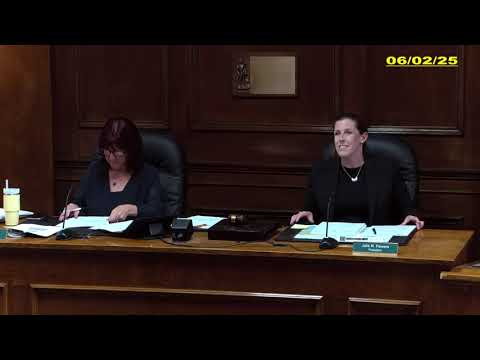
Wangari Fahari, the City of Beverly’s director of Diversity, Inclusion, and Belonging, told the City Council on June 2 that the city has begun implementing recommendations from a prior racial equity audit and has focused work on language access, digital equity and cultural recognition.
Fahari said the city’s DIB work “spans nearly a decade” and called implementation “a call to action,” adding that equity “is not a moment. It's a sustained movement woven into culture, systems, and priorities of our city.”
The presentation traced local steps beginning with a city ordinance establishing a human rights committee and continuing through August 2020 when Unify Beverly and an executive order declaring racism a public health crisis led to an initial allocation of $150,000 to begin equity work. Fahari said a subsequent audit showed gaps that required a multi‑phase approach and staff and community workshops to build internal fluency.
Fahari told councilors that DIB’s priorities reflect local demographics: she said Beverly has “over 4,000 people that were identifying as non white that were not accessing our city” and that many residents need information in languages other than English or via platforms other than email. To respond, she said DIB is working on language access tools, digital‑equity programs such as clinics at the Council on Aging, and cultural recognition efforts.
Councilor St. Hilaire, who requested the council update, pressed for a clearer strategy and for regular reporting. Councilor Feldman, the council’s liaison to DIB, called for more data and asked for “tangible understanding” of goals and progress; he and other councilors cited workshops and pilot programs such as the Council on Aging digital clinics and a sailing scholarship collaboration with local organizations as examples of current activity.
Fahari said DIB plans to publish a citywide racial equity report and plan by year end and described a six‑phase approach for institutionalizing equity work: discovery, shared vision, data assessment, framework creation with staff validation and community voice, public engagement with accessible reporting, and operationalizing the work day‑to‑day.
Councilors asked Fahari for more frequent updates and more comparative data. Fahari said she would return with additional reporting and that DIB is preparing a 70–80 page draft racial equity report.
The council received the presentation and agreed to continue the conversation in future meetings, including using the budget season to draw out department‑level progress and resource needs.