Get Full Government Meeting Transcripts, Videos, & Alerts Forever!
Get email alerts on the County Budgeting topic
No spam. Unsubscribe anytime.
County leaders preview conservative 2026 budget guidance, ask departments for strategic impact narratives
Summary
Cook County administrators and the Budget & Facilities Advisory Committee reviewed proposed budget guidance that emphasizes conservative initial requests, department narratives on core services, and strategic impact planning to handle funding uncertainty in the 2026 budget cycle.
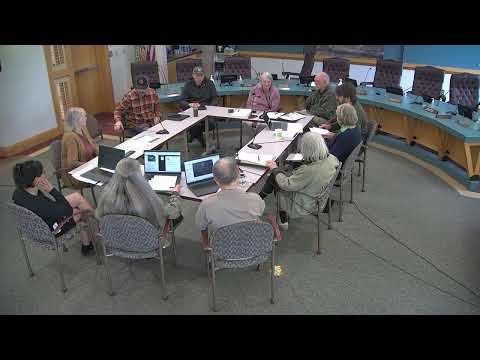
Cook County administration and members of the Budget & Facilities Advisory Committee presented proposed 2026 budget guidelines to the Committee of the Whole on May 20 that ask department heads to provide narrative explanations of core services and to plan for multiple funding scenarios amid state and federal uncertainty.
The advisory committee — represented at the meeting by Joshua Engelmann, Randy Knutson and Gail Gieske — and county staff described a framework that asks departments to identify core services, list funding sources that are restricted versus unrestricted, and explain adjustments they could make to maintain service quality if funding changes. The framework also recommends that departments be conservative in initial budget requests and avoid requesting new staff or large one‑time capital purchases in the first pass.
Proponents said the approach is intended to give commissioners better information for decision making and to make department managers better able to react if grant or state funding is lost. “It’s a good exercise to look at the what you’re doing and what’s all happening,” Budget Advisory Committee member Joshua Engelmann said during the meeting.
Commissioner Gamble endorsed the structured approach and described it as a way to set expectations and align decisions: “So you can’t just say we want to be conservative and save money here. This is how you do it and this is the game plan to be able to achieve that,” he said. Supporters pointed to best practices promoted by county associations and said the guidance would be iterative — department worksheets are a starting point that may be adjusted several times through the budget process.
Administrators and advisory committee members said the guidance aims to increase transparency and public understanding of county priorities, to give department heads a manageable set of questions to answer, and to encourage thinking about what to do if restricted funding is reduced. Staff said they plan to meet with department heads, help them prepare the requested narratives and return recommendations to the board for consideration; no formal budget approval or appropriation was taken at the May 20 meeting.
Why it matters: The guidance is intended to help the county maintain core services and respond to unpredictable changes in state or federal funding while giving commissioners clearer, comparable information about service priorities across departments.
Next steps: administration and the advisory committee will provide the guidance to department heads, meet with departments to develop narratives and return a refined recommendation to the board later in the budget process.