Get Full Government Meeting Transcripts, Videos, & Alerts Forever!
Get email alerts on the Climate Resilience topic
No spam. Unsubscribe anytime.
NOAA grant funds four‑year Northland Climate Resilience Collaborative, county told
Summary
County staff and a regional coordinator described a newly funded, four‑year planning effort led by ARDC and university partners to build climate‑resilience capacity across the upper Lake Superior watershed, including engagements that will involve Cook County and nearby tribal nations.
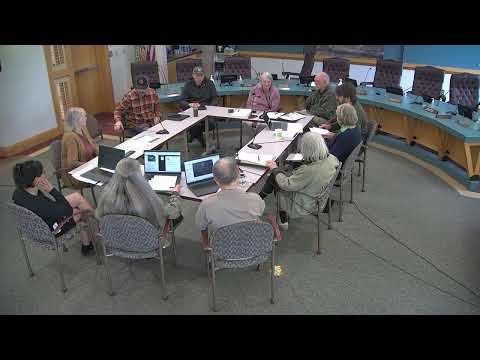
Deanna Geelhoed, coordinator for the Arrowhead Regional Development Commission’s Northland Climate Resilience Collaborative, told the Cook County Committee of the Whole on May 20 that a four‑year planning grant from the National Oceanic and Atmospheric Administration will fund a regional effort to strengthen resilience against climate change and coastal hazards.
The grant-funded project covers the upper Lake Superior watershed and includes Lake, Cook and St. Louis counties as well as several tribal nations, Geelhoed said, and the work will emphasize relationship‑building, data sharing and regionwide planning. Elena Hansel, district manager for the Cook County Soil and Water Conservation District, joined the presentation and said county staff will support engagement in Cook County.
The collaborative is in its first year and the leadership team meets about every other month, Geelhoed said. The immediate priorities are to build the leadership network, gather regional priorities to inform a resilience plan, and add local and indigenous knowledge into planning. “This is a 4 year planning grant, with the purpose to strengthen resilience against climate change and coastal hazards in this region,” Geelhoed said.
Project partners named in the presentation include the Arrowhead Regional Development Commission (ARDC), the University of Minnesota (research support), and tribal governments such as Grand Portage and Bois Forte; the 1854 Treaty Authority and portions of ceded territory were shown on project maps used during the presentation. Geelhoed said the university partners will help translate climate data into site‑specific information for participating communities.
Cook County can expect outreach and engagement events in future years, Geelhoed said, and the collaborative will seek to compile regional priorities that can be used to pursue grants and provide input to policy decisions. Hansel said the county has been included as a partner and that Conservation District staff will help connect the collaborative to county work.
There was no county vote or formal action at the May 20 meeting; the presentation served to inform commissioners about the grant and planned outreach. Geelhoed said the next in‑person leadership meeting will be in Grand Portage in July and that the collaborative is still forming its internal processes and engagement schedule.
Why it matters: the effort aims to pool technical data, grant competitiveness and planning capacity across county and tribal boundaries so local governments and communities can plan for coastal hazards and climate impacts with shared resources and Indigenous expertise.
Next steps: the collaborative will continue relationship building and regional priority gathering; Cook County staff said they will coordinate county engagement and circulate information about upcoming local meetings and opportunities to provide input.