Get Full Government Meeting Transcripts, Videos, & Alerts Forever!
Get email alerts on the Local Governance topic
No spam. Unsubscribe anytime.
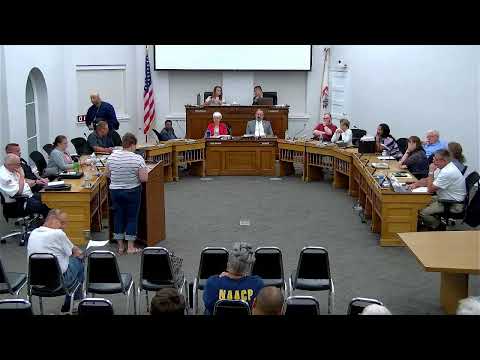
Freeport council considers changes to meeting rules, sparking public comment and amendments
Summary
An ordinance to amend council rules — including agenda placement, speaking limits, quorum language and penalties — prompted extensive public comment and an amendment to keep a two‑alderperson agenda trigger; council sent part of the change to the Committee of the Whole for more review.
An ordinance that would change how items are placed on Freeport City Council agendas, shorten speaking time and add fines for willful absences sparked broad public comment, council debate and a procedural amendment Tuesday.
Attorney Aaron Zito summarized the proposed changes as edits to sections covering quorum, special meetings, speaking frequency, decorum and penalties. "These rules include, but are not limited to how meetings are called, establishment of a quorum, procedures, replacing items on agenda, frequency of speaking, decorum at meetings, and then penalties for violating any of these rules," Zito said.
Key changes in the draft ordinance (20‑25‑37) include allowing the mayor, city manager or a majority of alderpersons to add agenda items (the current practice requires two alderpersons), limiting each speaking turn to two minutes (extendable by majority vote), and adding fines for willful absences. The draft would also remove the temporary Social Justice Committee from the municipal code.
Public response was robust. Diane Yocum and Kelvin McElwain urged the council not to raise the threshold for placing items on the agenda, calling a majority requirement a barrier to elected ward representatives. "A majority requirement is a very high bar to just bring something to the council floor," McElwain said. Alderman Rachel Simmons, speaking both as a resident and as an alderperson, said the package of changes appeared to concentrate authority with the mayor and city manager and criticized the proposed penalties.
After debate, Alderman Johnson offered an amendment to restore the previous two‑alderperson threshold for placing items on the agenda and to require a short memo explaining the item’s purpose when it is submitted. Council voted to send that amendment to the Committee of the Whole for further discussion; the full ordinance will return for second reading with any amendments incorporated.
Why it matters: The ordinance would change internal rules that determine how and when council members and residents can bring topics forward, how long members can speak on an item, and how absences and decorum are handled — affecting transparency and the council’s day‑to‑day operations.
What council decided: The council did not adopt the ordinance at final passage. The Johnson amendment (restore two‑alderperson trigger + memo) will be discussed in Committee of the Whole before the ordinance returns for second reading. A separate motion to table the ordinance indefinitely failed. Several alderpersons said they wanted more time to review language and implications before final action.
Provenance: Attorney Zito’s presentation of Ordinance 20‑25‑37 and the public comment record, plus council motions and roll‑call votes in the transcript, were used to compile this report.