Get Full Government Meeting Transcripts, Videos, & Alerts Forever!
Get email alerts on the Rural Schools Funding topic
No spam. Unsubscribe anytime.
Lawmakers Hear Urgent Appeals to Boost Funding for Rural Schools
Summary
At a Joint Committee on Education hearing, students, school officials and municipal leaders urged support for H517/S314, which would increase and stabilize state aid for rural districts, citing large per-student costs, rising fixed expenses and losses of programs and staff.
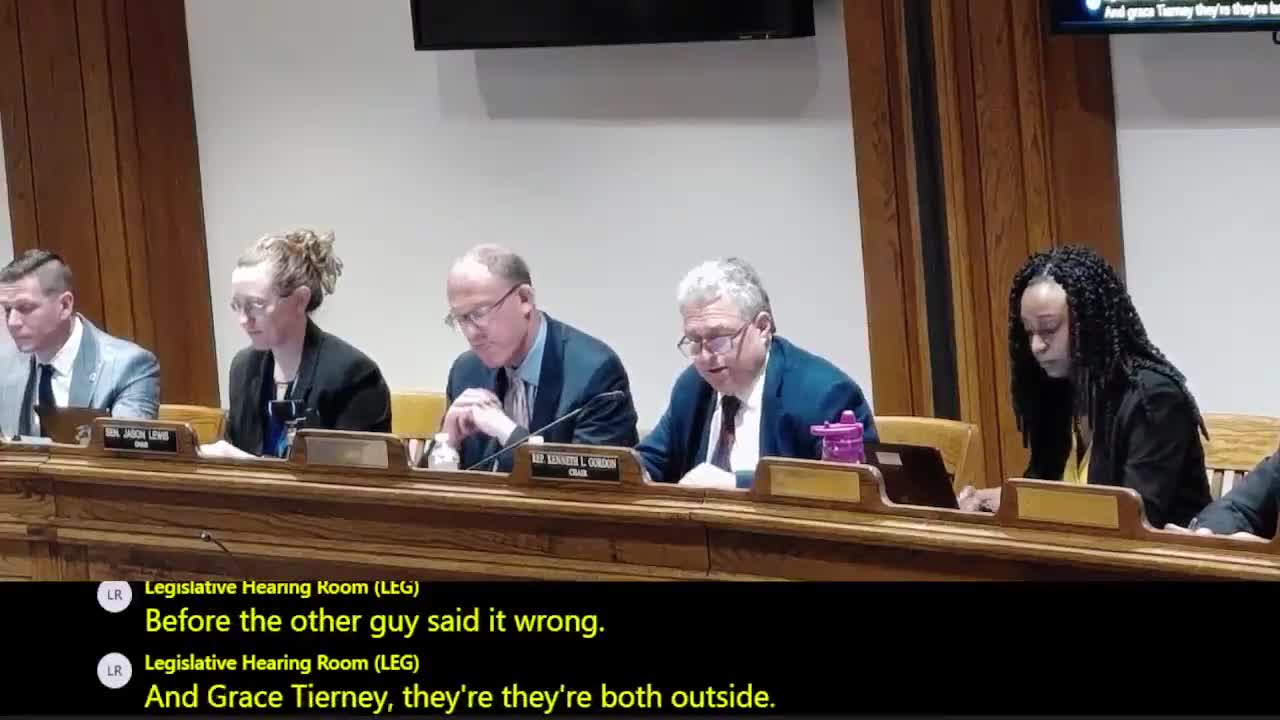
The Joint Committee on Education heard more than three hours of testimony urging lawmakers to report favorably on H517 and S314, “An Act to Provide a Sustainable Future for Rural Schools,” with students, school committee chairs and municipal officials warning that current funding formulas and unreliable rural aid are forcing program cuts and staff reductions.
Amherst Regional High School freshman Ella Bradbury told the committee, “We are facing the budget crisis because we are a rural school,” and described a projected $1,400,000 deficit for her district’s middle and high schools and shortages that threaten special-education services. Rose Collins, a tenth grader from the same district, said cuts already have removed electives and left counselors and paraeducators at risk of losing their jobs.
Those student accounts were echoed by school leaders and town officials from across Western and Central Massachusetts. Jessica Corwin, chair of the Sunderland School Committee, urged full funding of rural aid “not subject to appropriation,” saying rural aid in FY25 was roughly a quarter of the amount a 2022 legislative commission found necessary. William (Bill) Cosby, chair of the Hawley select board, told the committee his town allocates 63% of its budget to schools and warned continued shortfalls are unsustainable.
Why it matters: witnesses said rural districts face higher per-student costs because of small enrollments and fixed expenses that do not fall as student counts decline. Several speakers cited the Commission on the Fiscal Health of Rural Schools’ 2022 finding that $60 million in rural aid would better align resources with need. Without additional and steady state support, presenters said districts will continue to cut staff and programs and risk a downward cycle in enrollment and local revenue.
Supporters and local officials described how transportation and special-education costs, health-insurance increases and declining enrollments have all combined to widen budget gaps. Deb Leonard, representing Amherst and Amherst-Pelham regional committees, said the two districts face a $2,000,000 combined budget gap that could mean reductions of up to four classroom teachers. Mohawk Trail Regional and other small-district leaders testified that fixed costs — listed by one superintendent as about $1.8 million for his district — cannot be shrunk enough to match declining student numbers.
Committee members asked witnesses about regionalization and shared services as possible tools. Several witnesses said their districts have already pursued consolidation, shared contracts and regionalization where possible but that those measures had not closed fiscal gaps and in some cases required up-front costs or local tax increases that towns could not sustain.
The testimony closed with repeated calls for the committee to act. Martha Thurber, chair of the Mohawk Trail Regional School District, described a “death spiral” for small districts if funding is not improved and urged the committee to report the rural-aid bills favorably.
Looking ahead: Senators and representatives on the panel thanked witnesses and said the committee would consider the bills during upcoming budget deliberations, noting the legislature is weighing both larger formula changes and interim steps to stabilize rural aid.