Get Full Government Meeting Transcripts, Videos, & Alerts Forever!
Get email alerts on the Ticket Transferability topic
No spam. Unsubscribe anytime.
Artists and fan groups clash with resellers and platforms over forced ticket‑transfer rules
Summary
Two opposing coalitions told the Joint Committee that proposed bills on ticket transferability would either protect fans from predatory resellers or would remove tools artists use to block scalpers; industry data and artist groups clashed over who benefits from mandating transferability
A contested pair of bills to require primary ticket sellers to permit ticket transfers brought dueling testimony from musicians, fan groups and resale‑market advocates at a Joint Committee hearing.
Supporters of the bills, including the National Consumers League and the Sports Fans Coalition, told the committee that requiring transferable tickets promotes competition and lowers prices for sports and concert fans. They cited analyses showing below‑face resale options are frequently available and that transferability has produced significant savings for some fans.
“Fans should have the right to transfer their previously purchased tickets freely and without restrictions,” Brian Hess of the Sports Fans Coalition said. Hess cited a Sports Fans Coalition analysis of resale data showing fans saved more than $25 million in Massachusetts sporting events since 2017.
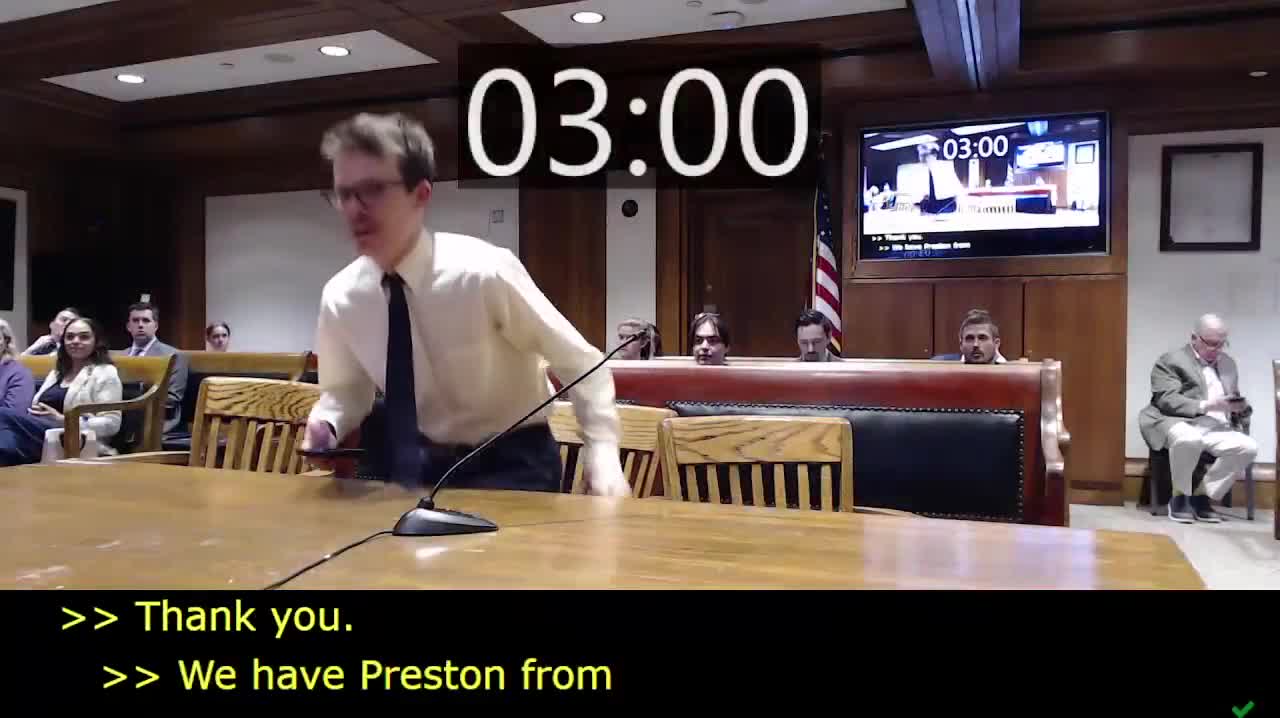
Opponents — including representatives of artist and musician advocacy groups — said mandating transferability could undermine tools artists use to limit scalping and protect fans, such as artist‑run fan‑to‑fan marketplaces and primary‑market restrictions that control who may resell a ticket or how. Preston Osman of United Musicians and Allied Workers told the committee that forcing transferability “works against the interests of musicians by taking away artist’s ability to protect fans from predatory resellers and scalpers.”
Both sides referenced Live Nation Ticketmaster’s dominant role in primary and secondary markets. John Breault of the Theater Owners of New England and others urged exemptions for independent venues and drive‑ins where local business models and small‑scale primary sales differ from large concert promoters.
The bills are pitched as pro‑consumer measures by supporters who argue the secondary market gives fans price options and access when plans change, while opponents say mandatory transferability can foreclose artist‑designed resale systems that cap price and preserve access for core fans. The committee did not vote on the measures during the hearing and said it would review submitted data and legal studies, including federal legislation now under discussion and the recently passed Federal Ticket Act mentioned by witnesses.
Next steps: The committee will consider written submissions and data from both sides and decide whether to hold further hearings. Stakeholders on both sides said they are willing to provide additional, detailed market analyses to inform the committee’s evaluation.