Get Full Government Meeting Transcripts, Videos, & Alerts Forever!
Senate committee hears competing views on SB 11 53 to screen certain water-right transfers for harm to fish habitat and water quality
Summary
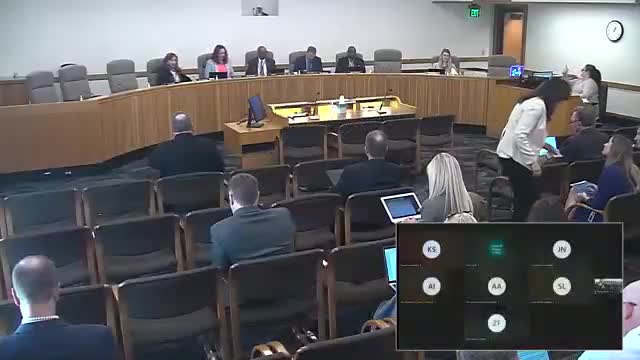
Senate committee members on June 3 heard hours of testimony on Senate Bill 11 53, a governor‑backed measure that would add a limited environmental screen and tribal consultation to some water‑right transfer reviews to block transfers that reduce streamflow and harm fish habitat or water quality.
Senate committee members on Tuesday, June 3, heard hours of testimony for and against Senate Bill 11 53, a governor-backed measure that would prohibit Water Resources Department approvals of certain water-right transfer applications when the change would reduce streamflow in ways that harm habitat for sensitive, threatened or endangered fish or worsen water-quality impaired streams.
The measure, as explained by Dexter Johnson, legislative counsel to the panel, and other witnesses, would insert the same environmental standard into multiple existing transfer procedures, allow federally recognized tribes to request a formal role in reviewing transfers in specific counties, and give the Water Resources Department authority to place conditions on approvals to avoid or mitigate harms. The bill’s dash-5 amendment, posted the morning of the hearing, narrows the proposal to specific high-risk transfers and adds reporting requirements to the legislature for 2026 and 2028.
Why it matters: Under current Oregon law, the department considers whether a proposed transfer injures other water-right holders or enlarges the right but does not evaluate public or environmental interests for many transfers. Supporters say that gap lets some transfers reduce flows on unprotected stream reaches, with potential negative effects on fish and on water quality dilution capacity for permitted discharges. Opponents say the bill’s language is vague, would slow transfers, increase litigation and impose disproportionate burdens on family farmers and some special districts.
Details of the proposal
Dexter Johnson, legislative counsel, called the dash-5 amendment “the guts of the bill,” saying it repeats a targeted standard across several statutory transfer pathways. The test would apply only to certain transfers — notably moving a point of diversion upstream or moving a groundwater point of appropriation to within a quarter mile of a…
Already have an account? Log in
Subscribe to keep reading
Unlock the rest of this article — and every article on Citizen Portal.
- Unlimited articles
- AI-powered breakdowns of topics, speakers, decisions, and budgets
- Instant alerts when your location has a new meeting
- Follow topics and more locations
- 1,000 AI Insights / month, plus AI Chat