Get Full Government Meeting Transcripts, Videos, & Alerts Forever!
Get email alerts on the City Budget Priorities topic
No spam. Unsubscribe anytime.
Council work session narrows FY26 budget prioritization: fund balance, legal‑defender needs and maintenance concerns
Summary
Councilors and staff reviewed preliminary property‑tax growth numbers, reaffirmed a 13% fund‑balance policy as a baseline and agreed to delay allocating additional revenue until final state figures arrive, while signaling priorities that include legal‑defender funding and deferred maintenance.
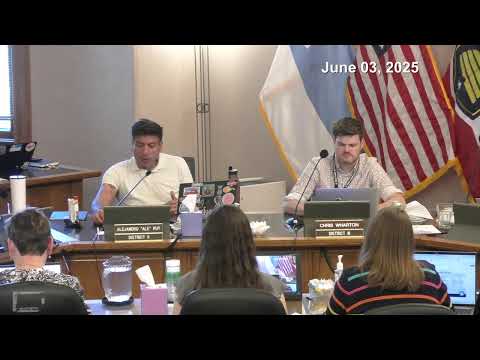
Council members and staff used Tuesday’s work session to review unresolved budget items and legislative intents as the city moves into the FY2026 budget adoption window, emphasizing three immediate themes: preliminary property‑tax new‑growth figures, the city’s fund‑balance policy, and competing high‑cost priorities that could be funded if additional revenue appears.
Lisonbee Rowland, council policy analyst, led the briefing and noted the mayor’s recommended budget currently assumes a modest amount of new growth; preliminary state tax‑commission numbers are encouraging and could raise the city’s available ongoing revenue above the mayor’s assumptions. Staff said final state figures are typically available in early June and cautioned that preliminary figures can change.
Council discussion centered on priorities should additional dollars become available. Council members and staff agreed to hold new revenue in fund balance until final numbers are confirmed, then to prioritize allocations in a short, staged process. Several council members said their top priorities would include funding for the Legal Defenders Association (LDA) and justice‑system capacity, and for deferred maintenance needs (streets and fleet replacement). Other priorities mentioned were increased public‑lands maintenance and park repairs. One council member argued that legal‑defender needs should be front‑of‑mind because workload increases in the justice system are producing strain on counsel and the courts.
Staff reminded the council that the city’s formal policy target for fund balance is 13% and that ratings agencies increasingly consider fund balance when assessing municipal creditworthiness. The council asked staff to provide scenarios showing what different levels of new‑growth revenue would buy in the highest‑priority categories.
On the consolidated fee schedule — a longstanding legislative intent the council reviewed — members asked staff to narrow this year’s review to fees under the Department of Public Lands as a manageable starting point. Council members also voted to keep several legislative intents open that relate to police alternative response teams, noise enforcement, and board governance, while moving other items forward or closing them where the administration had provided policy responses.
The council did not take final budget votes at the work session; members said they would use updated revenue estimates and staff scenarios to inform choices at adoption hearings later in June.