
Student services credits "Be Present" campaign, community partners for attendance gains; EL audit and foster care rules flagged
Get AI-powered insights, summaries, and transcripts
Sign Up Free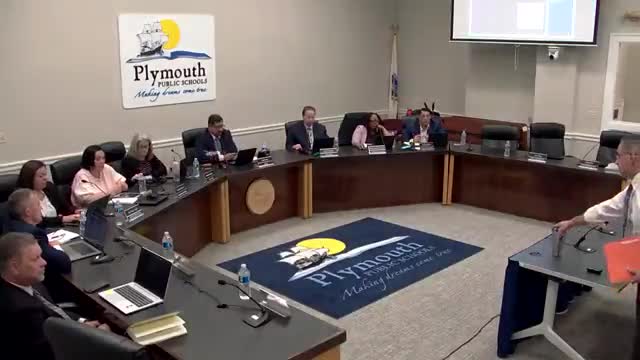
Summary
District student-services leaders described mid‑year attendance gains tied to a Be Present campaign and community partnerships, detailed counseling and English-learner challenges, and warned of coming regulatory changes to foster-care student placement rules.
Plymouth — Student-services leaders Sean Halton and Ben Janulewicz updated the School Committee on June 2 on the district’s attendance work, counseling resources, services for students in foster care or experiencing homelessness, English-learner support and related programs.
Halton said the district has seen improvements in overall attendance and credited a coordinated campaign, community partners and targeted interventions. "If you account for excused absences, then our attendance rate is roughly in the mid-90s," he said, and he pointed to the district’s "Be Present" messaging, four short videos produced with EdTV, and a community truancy summit as central to the work.
Why it matters: Chronic absenteeism is a known predictor of student outcomes. Halton told the committee that ninth grade in particular remains a vulnerable transition point and described programmatic responses to prevent students from falling behind.
Key programs and figures: Halton described several supports the district uses to connect families with services: Care Solace for mental-health referrals; partnerships with Gosnold and High Point; the Plymouth Family Resource Center; and court-based Child Requiring Assistance (CRA) plans for the most persistent attendance cases. He said 17 students were at one point placed on a CRA this school year and that 15 had met goals and been removed from active CRA status; most cases are dismissed and expunged after goal completion.
Halton said transportation expenses tied to students in McKinney‑Vento or foster-care placements remain a district cost pressure and estimated current transportation costs in that category at about $460,000 to $470,000 for the year.
English-learner audit: The district’s English-learner program completed a TFM audit and was found compliant on 10 of 12 categories but placed on corrective action for two areas: ESL curriculum development and teachers’ SEI endorsements (referred to in the audit as ELE-5 and ELE-414 in the district presentation). Halton said the district has been submitting quarterly updates and working on curriculum and licensing to resolve the issues.
Counseling and services: The presentation laid out counselor ratios and staffing additions across the district and described a small but growing need for specialized services. Janulewicz described messaging and data tools the district uses to analyze attendance patterns and target interventions, including dashboards that disaggregate data by school and subgroup, and said the district has been able to lower chronic absenteeism in some cases through targeted outreach.
Other supports: Halton noted the district’s tutoring program for students with extended absences (primarily high‑school students), reported about 162 current homeschool plans across grades, and praised the district’s Advanced Placement program and its impact on postsecondary access.
Ending: Committee members thanked the presenters; several asked for continuing data monitoring and expansion of high‑impact programs, including the "Bridal"/Bright Transition program that provides intensive support for students returning from long absences or placements.