Get Full Government Meeting Transcripts, Videos, & Alerts Forever!
Get email alerts on the Facilities Hvac topic
No spam. Unsubscribe anytime.
Commissioners review competing bids for courthouse HVAC repairs, request cost breakdowns
Summary
The board reviewed multiple bids to fix a malfunctioning valve and other HVAC issues in the courthouse; commissioners asked staff to clarify what work has already been performed and return with a cost breakdown at the June 16 meeting.
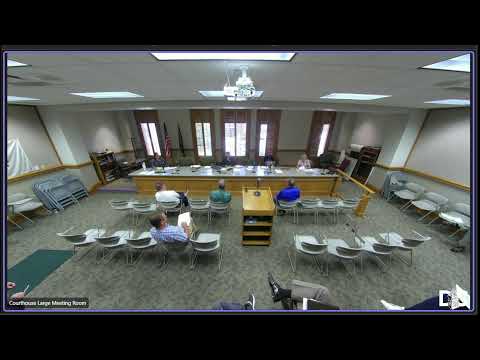
Commissioners reviewed competing bids on June 2, 2025, to address HVAC problems at the Decatur County Courthouse and requested additional information before approving work. Staff reported an initial repair by Piney that uncovered a failed valve requiring system drainage and replacement; Piney’s work and a subsequent bid were discussed alongside bids from Turnkey.
The bids discussed on the record included an initial Piney estimate reported as about $18,450 and Turnkey bids presented with lower figures for certain scopes (Turnkey amounts discussed in the meeting ranged from approximately $6,785 up to $11,730 depending on the line item and scope). Commissioners asked staff to determine how much of Piney’s original bid remains unpaid and to quantify the percentage of the initial job already completed before moving forward with a different contractor.
Commissioners expressed caution about committing to additional work without a clearer accounting of what has been done, what remains, and the relative merits of re‑bidding or completing the contract. The board directed Charlie (staff) to reconcile Piney’s charges and return with a clear recommendation and cost breakdown at the next meeting, scheduled June 16.
No formal vote to authorize further HVAC work was recorded at the June 2 meeting; the board emphasized the need to avoid repeatedly spending on repairs if an entire system replacement is not necessary and asked staff to present options and percentages completed.