Get Full Government Meeting Transcripts, Videos, & Alerts Forever!
Get email alerts on the Remote Attendance Policy topic
No spam. Unsubscribe anytime.
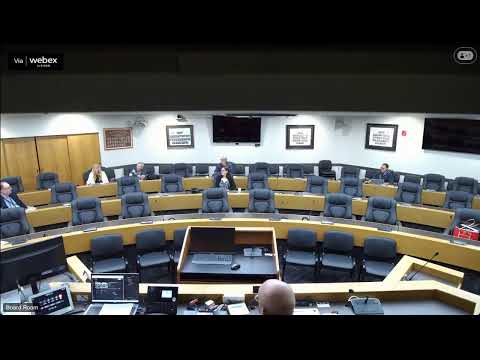
LaSalle County committee debates adding roll-call, notification rules for remote attendance
Summary
At its June 2 meeting the LaSalle County Committee on Appointments, Legislation and Rules discussed clarifying board rules on remote attendance, including possible requirement for roll-call votes, 24-hour notice, and limits on routine remote participation; no formal policy change was adopted.
At a June 2 meeting of the LaSalle County Committee on Appointments, Legislation and Rules, members discussed tightening the county’s rules on remote attendance to align with state law and to ensure clarity on voting and compensation.
Committee Chair Don Jensen said the committee should add a rule requiring roll-call votes whenever members attend remotely. “If there are people in, on remote attendants, there's supposed to be a roll call vote for the motions,” Jensen said, arguing the step would verify who is recorded on the vote.
The discussion centered on language in the committee’s rulebook and a section that requires a member to notify the county office “24 hours before the scheduled meeting.” Jensen said he would review the statute and work with Mr. Herman to draft a fourth bullet clarifying the roll-call requirement and other prerequisites for remote attendance.
Committee members debated whether the statute’s listed exceptions—personal illness or disability, employment purposes, or county business—should be interpreted strictly or left to the body’s discretion. One committee member summarized the practical balance: members may need to call in for legitimate conflicts but habitual remote attendance could concern constituents.
A committee member noted an Illinois Attorney General opinion broadens “other business” to include personal business, but emphasized the decision to allow remote attendance remains a body determination. Jensen said the committee could ask follow-up questions upon a member’s remote request and that members should explain the reason for calling in.
Members also reviewed compensation and attendance provisions in the rules. A passage in section 8 was noted: a board member not allowed to attend remotely “shall not receive any compensation” if disallowed from voting remotely. The committee agreed to check statutory language and to return with recommended drafting at a future meeting. No vote or formal amendment to the rules was taken at the June 2 meeting.
The item drew extended discussion: members raised concerns about constituent access to elected officials, the need for transparency about extenuating circumstances, and whether routine employment-related absences should qualify. The committee agreed the statute leaves some discretion to the board and that any clarifying rule should be drafted for future consideration.