Get Full Government Meeting Transcripts, Videos, & Alerts Forever!
Get email alerts on the Transportation Secondary Roads topic
No spam. Unsubscribe anytime.
Augusta County approves secondary road construction budget and six-year plan
Summary
The Augusta County Board of Supervisors approved the secondary road construction improvement budget for FY2025–26 and a proposed six-year plan, prioritizing hard-surfacing of gravel roads, several active construction projects and a roughly $868,000 annual allocation from state secondary road funds.
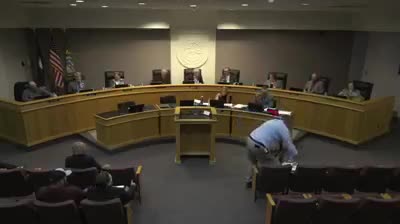
Augusta County supervisors voted to approve the secondary road construction improvement budget for fiscal year 2025–26 and the county's proposed six-year secondary roads plan, county staff told the board during the June 2 meeting.
The plan makes hard-surfacing of gravel roads a priority and allocates roughly $868,000 per year in secondary road funding. "We're getting basically, just under $900,000 a year, about 868,000 a year," the county roads presenter said during the meeting.
The presentation noted the county still has more than 150 miles of gravel roads and requires a roadway to carry at least 50 vehicles per day and be in the county route system (route numbers 600 and above) to qualify for the program. The presenter said the county completed roughly five miles of road work last year, had about 5.4 miles under construction and about 10 miles in design, with approximately 25 miles identified as future projects in the current six-year plan. "We completed 5 miles last year... under construction 5.4, and design about 10 more, and future projects about 25 on our current six year plan," the presenter said.
Several projects were described as underway or planned, including the Pilsen project (about 2.1 miles, with pipes being installed and an expected one- to 1.5-mile paving segment this season), Swisher, Barnhart, Stone Branch, Nash Road and others. The presenter said some projects require utility relocations before work can proceed (Fountain Cave was cited as an example) and that right-of-way and landowner negotiations affect timing for multi-parcel projects.
The presenter described a county approach called "rural rustic" to preserve roadside character while improving safety and said the county generally seeks a roadway width of 16 to 18 feet with a 1- to 2-foot shoulder and a small ditch when hard-surfacing rural roads. He cautioned that hard-surfacing can increase vehicle speeds and emphasized maintaining safe passing width.
After the public hearing for the plan was opened and closed with no public commenters, a motion to approve the secondary road construction improvement budget for FY2025–26 and the proposed six-year plan was made and seconded; the board then voted to adopt the budget and plan.
County staff said they will continue to prepare two years of ready-to-bid projects and noted the potential role of local revenue-sharing contributions to accelerate work.
The roads presenter invited residents with questions to contact the county roads office for project-specific information and right-of-way clarifications.