Get Full Government Meeting Transcripts, Videos, & Alerts Forever!
Get email alerts on the Park Impact Fees topic
No spam. Unsubscribe anytime.
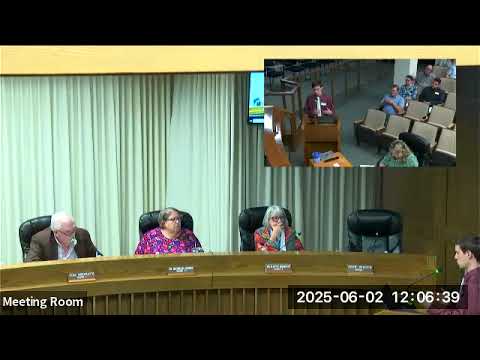
Committee backs change to park impact fees, asks staff to craft school MOU and reporting tweaks
Summary
The Cheyenne Public Services Committee voted to recommend approval of an ordinance changing park impact fee timing and allowing pooled use of fees, while members sought code language requiring MOUs with schools before fee waivers and clearer annual reporting deadlines.
The Cheyenne Public Services Committee voted to recommend approval of an ordinance that would change the timing and allowable uses for city park impact fees, while members asked staff to return with code language requiring memoranda of understanding with school districts before waiving fees and with clearer annual reporting dates.
Seth Lloyd, planner with the City of Cheyenne Planning and Development Department, told the committee the ordinance would shift collection of park impact fees “from the time of planning to the time of permit” and would consolidate three separate park-related fees “so we have all 3 fees going into 1 bucket for use wherever is needed.”
The change is intended to give the city more flexibility to direct funds where new residents actually use facilities, Lloyd said, noting that “Cheyenne isn't the most walkable community” and residents often drive to facilities outside their immediate neighborhood.
Committee members supported the general goal but raised concerns about equity, transparency and conditions for fee waivers. Dr. Aldridge said she worried that pooling funds could “lead to the majority of the funding ending up in 1 area of town and not being distributed based on where the money has been collected.” She asked whether annual reporting could show where funds were spent so the public could trace distributions.
Lloyd replied that staff would include reporting on how the funds were used and that the parks department and the city’s park master plan would guide distribution. He said staff had emailed 28 builders on May 14 to solicit feedback; four or five responded and one opposed the timing change because of its potential impact on lot pricing.
Members also pressed for a condition on an exemption for lands used for governmental recreational use, noting the draft language appeared to assume school play areas were publicly accessible when many are not. Dr. Aldridge asked for a trigger that would require an MOU with the school district before the fee waiver applies; Lloyd said staff could add language to require an MOU in code or handle it administratively but could include it in the code if the committee prefers.
Dr. Rollins said she would vote for the ordinance but wanted MOU language added later. Dr. Remonds asked staff to propose changing the reporting deadline language and to return with that amendment. The motion to approve the ordinance in committee was made by Dr. Aldridge, seconded by Dr. Emmons; the committee gave a voice vote in favor and the recommendation will go to the Monday council meeting for final action.
The ordinance also includes minor cleanups to the Unified Development Code, such as clarifying how impact fees apply to correctional facilities. Lloyd noted the Planning Commission reviewed the proposal, recommended approval and made minor amendments that appear in the committee packet.
Next steps: staff will draft code language to require an MOU for school facility waivers if the committee requests it and will consider adjusting the annual reporting deadline; the ordinance will be on the city council agenda for final action.