Get Full Government Meeting Transcripts, Videos, & Alerts Forever!
Get email alerts on the Intergovernmental Relations topic
No spam. Unsubscribe anytime.
Gwinnett County sues state over Senate Bill 138, cites loss of local control and unfunded mandates
Summary
Chairwoman Nicole Love Hendrickson announced Gwinnett County filed a lawsuit challenging Georgia Senate Bill 138, saying the law overrides local negotiation, risks sovereign immunity, and shifts costs for stormwater and election reimbursements to county taxpayers.
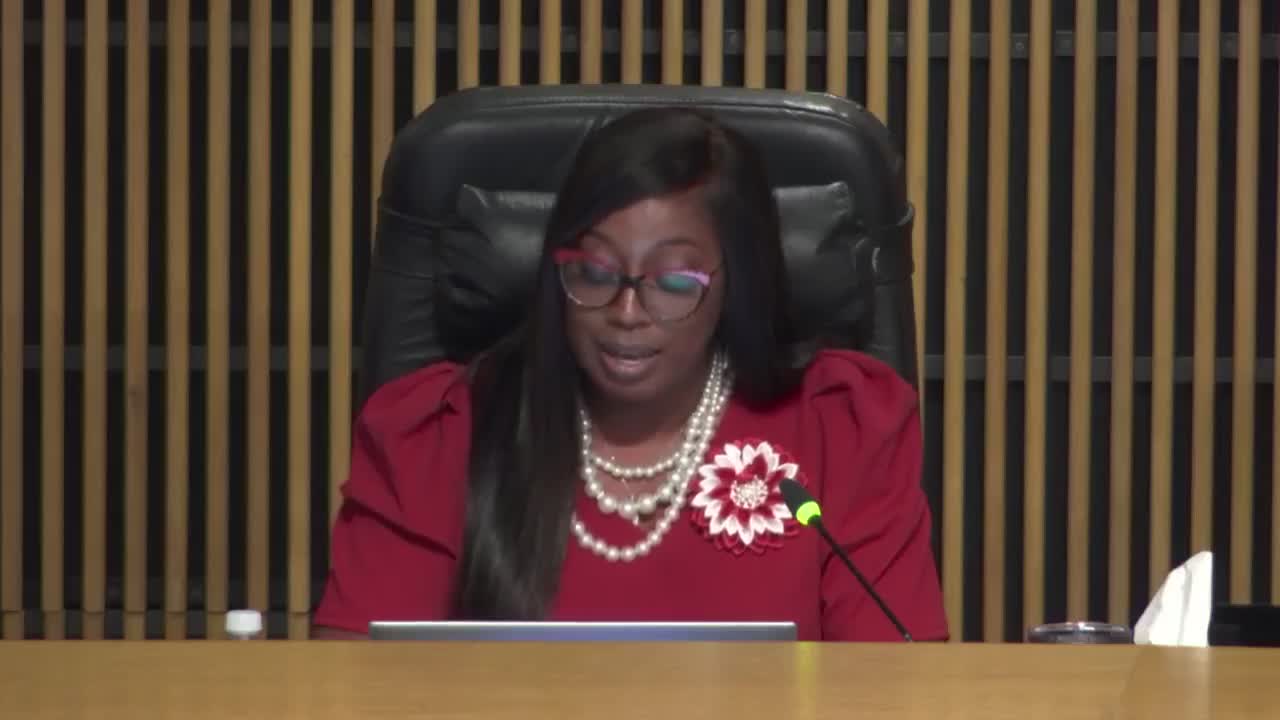
Gwinnett County filed a lawsuit Friday challenging Georgia Senate Bill 138, Chairwoman Nicole Love Hendrickson told residents at the Board of Commissioners public hearing on May 20.
Hendrickson said the county's suit argues the law “imposes unconstitutional one‑sided mandates” that bypass established state processes for negotiating services between counties and newly created cities, and that it threatens to remove protections and shift costs to Gwinnett taxpayers.
The chairwoman laid out four key concerns the county raised in the legal filing: the temporary loss of sovereign immunity if the county is found noncompliant; expanded potential liability for county employees, including law enforcement and first responders; an unfunded requirement that the county maintain certain stormwater infrastructure inside the proposed city of Mulberry; and the elimination of a requirement that Mulberry reimburse Gwinnett for cityhood referendum and initial city election costs. Hendrickson said those provisions could force all Gwinnett taxpayers to subsidize services in Mulberry even if residents do not live there.
Why it matters: Hendrickson said the county is not opposed to city creation in principle, but the county contends SB 138 removes transparency and the ability of local governments to negotiate service delivery. She emphasized the county’s objective is to preserve local control and avoid exposing taxpayers and county employees to increased legal and financial risk.
At the meeting Hendrickson addressed Mulberry residents directly, saying the suit is “not an attack on your community” but a challenge to what the county considers state overreach. She also pushed back on public claims that the county refused to work with Mulberry, saying county staff made multiple attempts to negotiate and that the county continued providing services while the legislative changes were made.
The chairwoman concluded by saying the county will pursue the case to protect transparency, equity, and local negotiation rights.
Ending: The county did not announce a court date at the public meeting. Commissioners and staff did not present a proposed settlement; the announcement at the May 20 meeting was a public statement explaining the county’s reasons for litigation.