Cleveland committee approves pilot pre‑arrest youth support program for First and Fifth police districts
Loading...
Summary
Cleveland’s Committee on Finance, Diversity, Equity and Inclusion approved an emergency ordinance authorizing the Community Relations Board to contract with Cuyahoga County Juvenile Court to pilot a Pre‑Arrest Support Services (PASS) program in the First and Fifth police districts.
Cleveland’s Committee on Finance, Diversity, Equity and Inclusion approved an emergency ordinance authorizing the Community Relations Board to contract with the Cuyahoga County Court of Common Pleas, Juvenile Division, to run a Pre‑Arrest Support Services (PASS) pilot in the First and Fifth police districts.
City and court officials said the program will have officers refer low‑level youth contacts to PASS rather than the standard diversion or formal court track; staff will make family contact within 48 hours, perform an intake needs assessment and refer participants immediately to services such as mental‑health counseling, substance‑use treatment and structured activities. “We will make contact with the families within 48 hours of the referral from the police officers,” said Charice Dawson, administrative manager for the court’s youth diversion program.
Advocates and presenters said the court designed the pilot with law enforcement after focus groups with officers and commanders. “Law enforcement did express to us that they often times are, you know, come in contact with young people and they don't have a lot of tools or services to refer to them,” said Bridgette Gibbons, deputy court administrator.
Council members asked how pilot geography and capacity were selected. Officials said the First and Fifth districts volunteered through conversations with district commanders and that available diversion caseload data by ward informed the choice. The court estimated an intended caseload of roughly 60 youth per year. Council members also asked about parental participation; officials said caregivers are asked to consent but that youth may still participate if a caregiver declines.
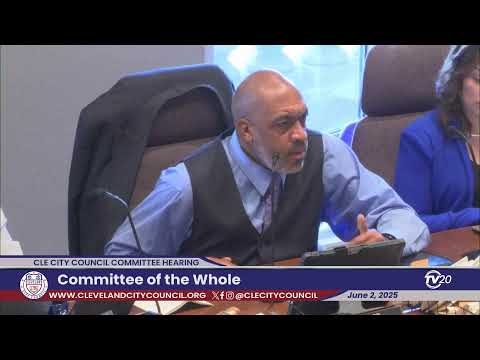
Committee members asked for follow‑up materials. Councilman Mike Polincic requested a briefing because he had not been consulted before the ordinance reached committee; Councilwoman Stephanie House Jones requested the program’s intake/needs‑assessment tool be shared with council staff. The ordinance passed in committee and was recorded as approved for further processing.