Get Full Government Meeting Transcripts, Videos, & Alerts Forever!
Get email alerts on the Lodging Tax topic
No spam. Unsubscribe anytime.
Painesville council hears first reading of new lodging-tax ordinance, projects about $70,000 in revenue
Summary
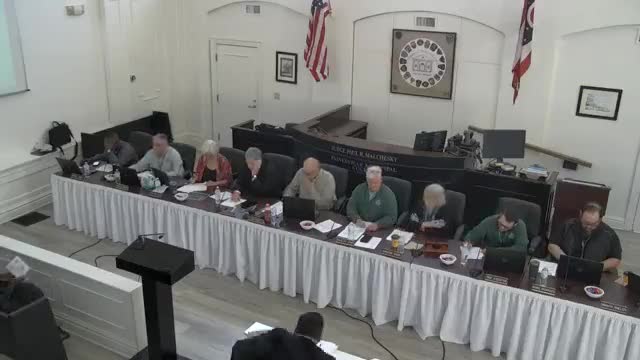
Painesville City Council members heard the first reading of an ordinance to create Chapter 194 of the city codified ordinances, establishing a lodging tax and defining “short-term rental,” a city staffer said during the meeting.
Painesville City Council members heard the first reading of an ordinance to create Chapter 194 of the city codified ordinances, establishing a lodging tax and defining “short-term rental,” a city staffer said during the meeting.
The ordinance matters because it would authorize the city to collect a local lodging tax and allocate revenue for specified uses; city staff estimated the new tax would conservatively generate “about $70,000,” and said short-term rentals are included in the definition of taxable lodging.
Tony, a city staff member who presented the ordinance, said, “we think conservatively, that should generate the opening of the new restaurant, up on Shamrock. The, should generate about $70,000.” He explained how collections would work under the ordinance: hotels would submit monthly remittances to the city, while smaller establishments, bed-and-breakfasts and short-term lodging would submit quarterly. He added the finance department would register payors and process remittances under the ordinance as drafted, though the city could contract with the county to collect for a fee.
Council members asked how county and city lodging taxes interact. Tony said the county levies a separate 5% charge on hotel stays and that, under current arrangements, the county remits a small portion back to localities that do not levy a separate bed tax; he said once the city adopts a local lodging tax the county kickback would cease. Tony summarized: “The county gets 5% on every hotel stay, and that is a separate tax from what the localities are able to charge.”
Council members pressed for operational details, including whether the allocation schedule they had reviewed was part of the ordinance text; Tony confirmed the allocation table in the packet was internal guidance and not codified in the ordinance. He also said city staff expect a modest number of taxable establishments — “less than 10,” including one hotel — and do not anticipate a large administrative burden.
The ordinance received its first reading; Tony said a second reading is scheduled for the council’s next meeting on June 16. No vote on final passage was taken at this meeting.
The city indicated two implementation options: maintain in-house collection through the finance department or contract county collection services at a fee. Council asked staff to provide cost-effectiveness analysis for collection options in a future report.