Get Full Government Meeting Transcripts, Videos, & Alerts Forever!
Get email alerts on the Transportation Infrastructure topic
No spam. Unsubscribe anytime.
County hears presentation on Biolytics road‑management system; staff to evaluate cost and timing
Summary
A vendor presentation for Biolytics, an AI-driven road-assessment and work-order platform, drew questions from commissioners and highway staff about cost, onboarding and whether the county could use the service to meet Community Crossings documentation requirements. Commissioners asked highway staff to report back at the next meeting.
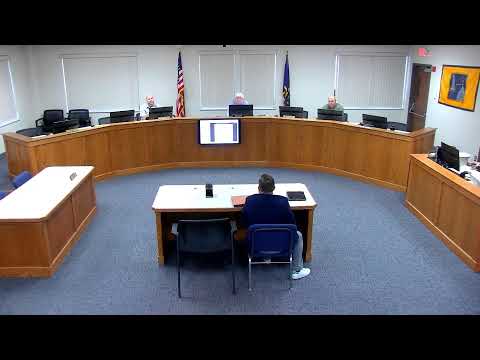
Biolytics, a company that provides automated, smartphone-based road assessments and integrated work-order tools, presented its system to the Marshall County Commissioners on June 2 and outlined an annual subscription model commissioners said would require further review.
The company representative, Slater Rush of Biolytics, told the commissioners the platform mounts smartphones on county vehicles, takes photos every 10–12 feet while crews drive, produces PASER-like ratings, inventories signs and assets, and creates work orders and budgeting forecasts accessible through a web interface. “It’s taking still photos every 10, 12 feet and automatically assessing all of the roads,” Rush said. He said the product also stores imagery for before-and-after comparisons and can integrate with county GIS via shapefile or an API.
Commissioners and highway staff pressed for cost and timing details. Rush described the fee as an annual subscription and said the typical price is “like, 49,000 or just a little over that,” billed annually; he said onboarding and training are included and that most counties sign three‑year contracts but the vendor can be flexible. Rush said the county would own the data and that no per-user fees apply for viewing the web portal.
Highway staff asked about practical details: how many phones are supplied for data collection, how long initial data collection takes, and whether the system operates without a cellular connection. Rush said Biolytics supplies phones for data collection (the vendor recommended three phones for a start), the system can collect without cell service (it relies on GPS), and large counties initially took two to three months for a full assessment but later shortened that to weeks by running multiple devices concurrently. He estimated a two‑week window to begin onboarding after contract signing, permitting hardware orders.
Commissioners framed the evaluation against the county’s Community Crossings obligations and in‑house paving options. Rush suggested the platform could help document in‑house work (materials, labor, equipment) and thus support grant reporting and contractor accountability. “You can pull up any segment… it’s kind of your own updated Google Street View,” he said, noting White County and others use the system for frequent monitoring and claiming operational savings through more preventative maintenance.
No formal procurement vote was taken. Commissioners asked highway staff to present a recommendation at the next meeting, including likely impacts on crew workflows and whether the system could enable more in‑house Community Crossings work. Commissioner discussion concluded with a request that the vendor be ready to present to the county council if the commissioners or council had additional questions.
Commissioners: the presentation will be on the highway superintendent’s agenda for a follow‑up report at the next meeting before any appropriation or contract action.
Ending: Commissioners did not authorize expenditure; they requested a written cost/benefit and operational impact report from highway staff for the next meeting and suggested the vendor could present to county council if requested.