Get Full Government Meeting Transcripts, Videos, & Alerts Forever!
Get email alerts on the Medicaid Fraud Enforcement topic
No spam. Unsubscribe anytime.
Committee advances change to Medicaid fraud recovery fund to stabilize enforcement funding
Summary
Senate Bill 24, amended to change the effective date, would redirect state shares of Medicaid recoveries into a dedicated fund up to a $20 million cap to ensure long-term funding for the attorney general’s Medicaid Fraud Control Unit and LDH program integrity work; the committee reported the bill favorable as amended.
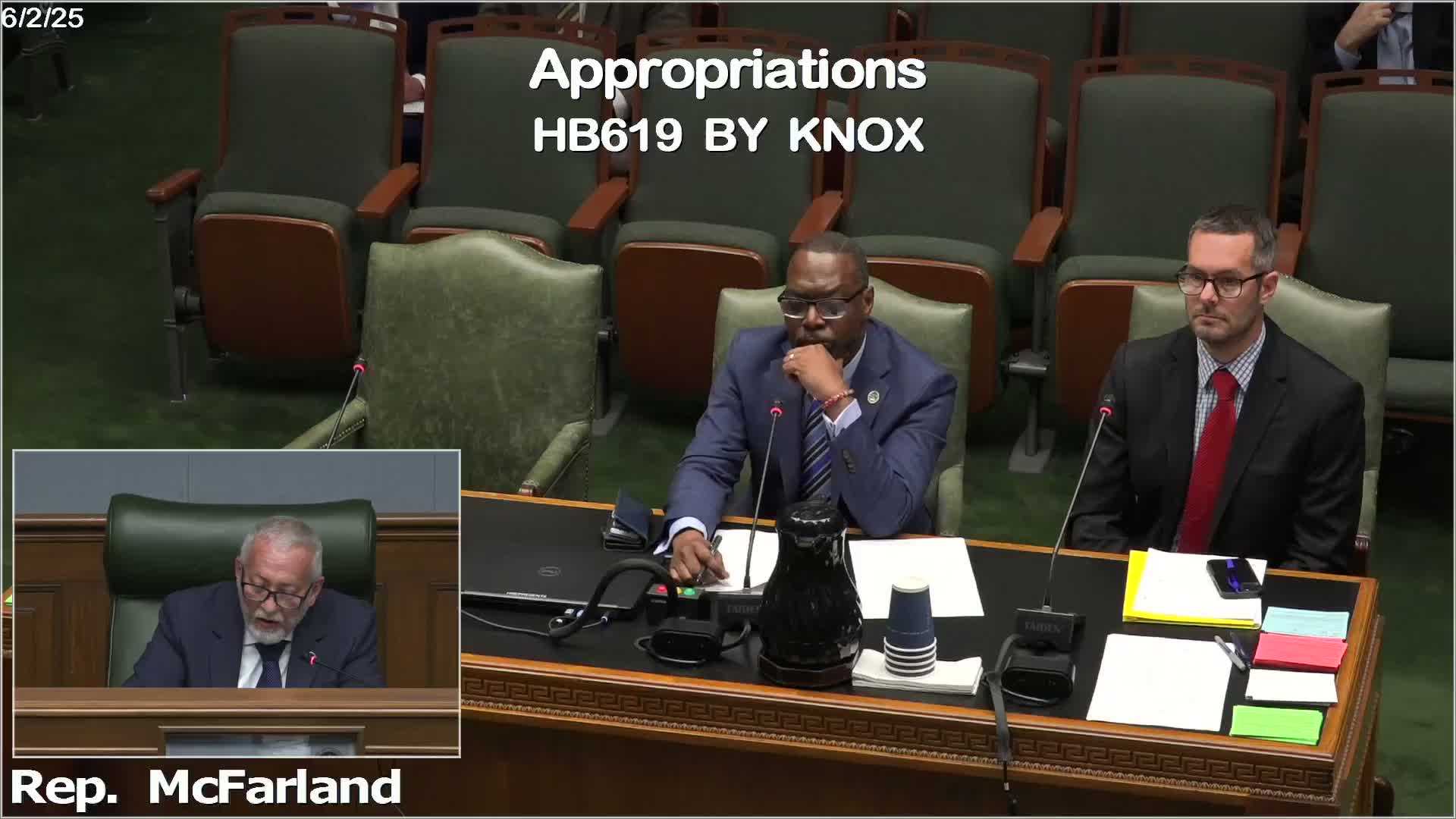
The House Appropriations Committee reported Senate Bill 24 favorable as amended after Attorney General staff described the proposal as a method to stabilize funding for Medicaid fraud enforcement and program integrity.
Matthew Stafford, director of the Attorney General’s Medicaid Fraud Control Unit, explained the fund’s history and said recoveries from fraud investigations have returned hundreds of millions of dollars to the state. The bill would direct the state portion of recoveries, including restitution recovered from providers, into a Medical Assistance Programs Fraud Detection Fund up to a $20 million cap; once the cap is reached further recoveries would flow back to Medicaid.
Larry Freeman, chief deputy attorney general, told the committee the change would help avoid repeated annual requests for state general fund support for enforcement capacity by allowing recoveries to finance the units that pursue recoveries. He and staff said the $20 million cap is designed to provide a multi-year reserve for slower recovery years.
The committee adopted an amendment moving the effective date to July 1, 2025. Committee members were told the potential fiscal impact is uncertain and that any realized impact would appear in subsequent fiscal years; the bill was reported favorable as amended.