Get Full Government Meeting Transcripts, Videos, & Alerts Forever!
Get email alerts on the Hb5428 Rent Regulation topic
No spam. Unsubscribe anytime.
Council members debate proposal to let advisory council approve rent increases above CPI+1%
Summary
Amendments to House Bill 5428 would cap rent increases in mobile-home parks at the consumer price index plus 1%, and allow the Mobile Manufactured Home Advisory Council to approve higher increases in specified circumstances. Council members expressed concerns about workload, fairness, absence of park-owner participation, and legal exposure.
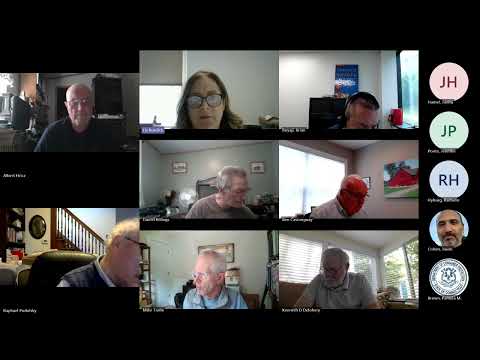
Members of the Mobile Manufactured Home Advisory Council discussed an amendment to House Bill 5428 that would limit lot‑rent increases in mobile-home parks and authorize the council to review and approve exceptions.
The amendment circulated to the council requires that an owner proposing a rent increase above the cap submit an application to the council at least 90 days before the effective date. The application would be made in a form and manner prescribed by the council and must demonstrate that the proposed increase is necessary because of one or more listed reasons: increases in operating expenses, increased municipal real‑property taxes payable by the owner, or costs related to capital improvements, including itemized deferred maintenance and amortized capital costs. The bill text referenced the consumer price index (CPI) as the baseline: a proposed increase may not exceed the most recently published 12‑month percentage change in the CPI plus 1%, unless the council approves a higher rate under the statutory exception.
Council members raised several concerns. Some said the council, currently a largely advisory body that meets quarterly, would need to meet more frequently to process owner applications on short timelines. “We would have to meet a lot more than quarterly if this was gonna happen,” one member said. Others said the advisory council’s current composition and voluntary status could make it a poor fit for an adjudicatory role: council membership aims for parity between residents and owners, but owners were not present at the meeting, leaving members worried about balance and fairness if the council were given decision authority.
Members also asked about procedural details that the amendment leaves open: how the council would define the application form and evidentiary standard, how it would verify owner-submitted budgets and amortization schedules, whether council volunteers would be exposed to litigation risk, and how any appeals would be processed (the amendment says appeals would go to Superior Court). One member noted that some of the bill’s ideas originated in public hearings earlier in the session and that the legislature may be trying to find an entity with “resident-owner balance” to review exceptions.
There was no vote or formal action by the council on assigning the review function to the advisory council. Members asked that the issue remain on the council’s agenda and emphasized the need to convene a legislative subcommittee well before the next session to coordinate positions and technical input. Several members stressed that park owners should participate in discussions if the council is to be given any quasi‑regulatory role.
Discussion vs. decision: The meeting record reflects discussion and concern; no council action to accept the statutory assignment was taken. Council members asked staff and each other to track developments and plan a legislative committee to prepare before the next session.
Clarifying details: The amendment would extend the notice period for rent increases tied to a new rental agreement from 30 days to 90 days and would set a default cap of CPI + 1% unless the council approves a higher rate. The council would evaluate owner applications on narrow grounds listed in the amendment: operating expenses, municipal real-property tax increases, and capital improvement costs with itemized deferred maintenance. Appeals of council decisions under the amendment are directed to Superior Court.