
Senate panel considers prior‑authorization reform to speed approvals, limit delays
Get AI-powered insights, summaries, and transcripts
Subscribe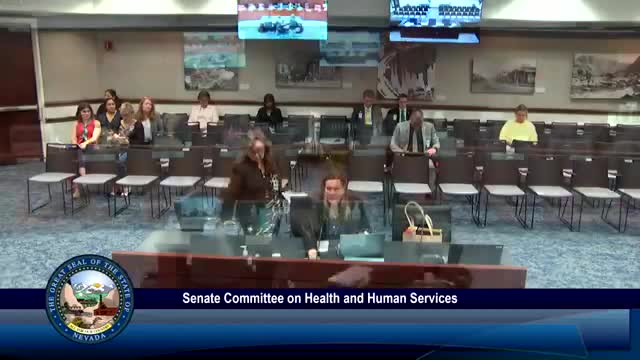
Summary
AB463 would shorten prior‑authorization turnaround times, require automatic authorizations for a limited list of services (including some preventive items), and extend provisions to Medicaid; insurers and medical groups described compromise language and a maximum response window.
Carson City — The Senate Health and Human Services Committee heard Assembly Bill 463, a bipartisan prior‑authorization reform bill intended to reduce delays in clinically necessary care and cut administrative burdens on clinicians.
Assemblymember Shay Backus (Assembly District 37) described the measure as a two‑part bill: a private‑insurer section that sets maximum prior‑authorization response times and a Medicaid section with analogous provisions. “Currently, in Nevada, it’s 20 days for prior authorization and this bill brings it down to two business days unless there’s some CAQH exclusions, maximum seven calendar days,” Jacqueline Nguyen of the Nevada State Medical Association said, describing negotiated language in the second reprint.
Backus and physician witnesses, including Dr. Joseph Adashek, told the committee prior authorizations have delayed routine and preventive care such as MRIs, diabetic test strips and pregnancy‑related testing. Adashek said prior‑authorization requirements had led clinicians to wait on imaging, labs and medications that are part of standard preventive or prenatal care.
The Nevada Division of Insurance testified neutrally and flagged statutory exemptions for certain nonprofit hospital corporations and health maintenance organizations (HMOs), recommending legislative language if the committee intends to include those entities. The Nevada Association of Health Plans said it was neutral on the amended bill but cautioned about strict two‑day turnaround requirements for nonurgent requests and noted alignment with federal CMS guidance would be preferable.
The bill generated multiple supportive witnesses—medical societies, obstetricians, psychiatrists and advocacy organizations—who cited harms from delayed approvals. The committee closed the hearing; AB463 was not listed on the consent motion at the meeting end but the sponsor and stakeholders indicated willingness to work further on technical language.