Get Full Government Meeting Transcripts, Videos, & Alerts Forever!
Get email alerts on the Housing Court Operations topic
No spam. Unsubscribe anytime.
Housing Court chief urges more judges as eviction-sealing law is implemented
Summary
Chief Justice Diana Horan told the Joint Committee on Housing that the Housing Court is stretched thin and is implementing a new eviction-record sealing statute while managing other operational changes, and she asked the legislature to consider additional judges and resources.
Chief Justice Diana Horan of the Massachusetts Housing Court told the Joint Committee on Housing that the court is handling new duties from recent tenant-protection laws while operating with too few judges and limited staff.
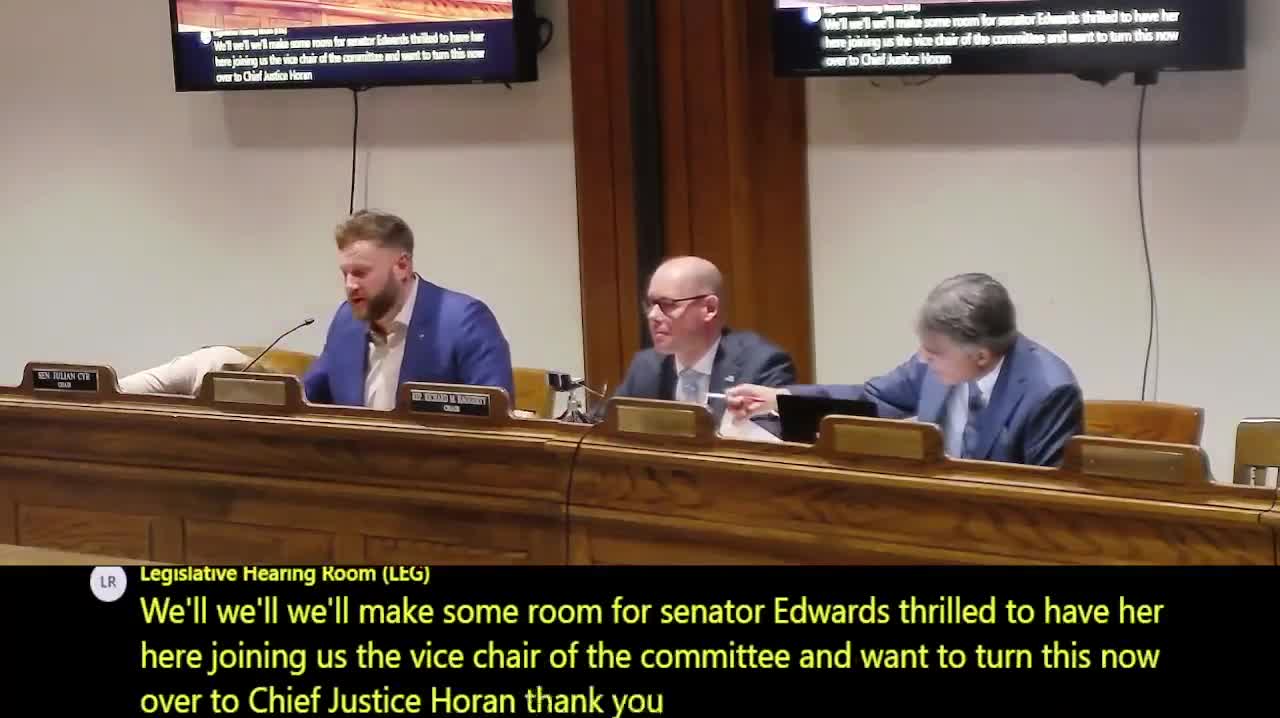
"I'm Diana Horan, Chief Justice of the Housing Court, and I just completed my second year as chief," Horan said, describing the court's jurisdiction and new responsibilities. She told the committee the court travels to 28 locations weekly and described a two-tier process used in summary-process eviction cases that begins with a housing specialist meeting.
Horan said the court is implementing an eviction-record sealing statute that became effective May 5 and that staff have prepared forms and an online guided process to assist litigants. She also described digitization efforts: public access to case images (since April 2024), text reminders for court dates, mandatory e-delivery for attorneys, and an electronic summons system that began piloting in June 2023.
The chief justice said the Housing Court has statutory judicial seats that were increased when the court was given statewide jurisdiction in 2017; she said the statutory number is currently 15 and estimated the court needs about 21 judges to meet demand. Committee members asked about the last statutory change and what additional resources the court needs.
Horan described operational friction introduced by rental-assistance statutes: when applications are pending, cases must be stayed but courts lack real-time status information, producing repeated rescheduling and extra hearings. She also flagged consequences in situations where awarded assistance does not fully cover rent arrears.
Committee chairs asked whether the legislature can help prevent eviction upstream; Horan said she must be careful as a sitting judge but suggested funding for support programs that help tenants pay rent as the most useful upstream intervention. The committee did not take formal action at the hearing.
The committee requested follow-up information and left open whether it will advance statutory changes to increase the authorized number of judges or add operating resources.